If you own a home in Southwest Florida, termites aren’t a question of “if” but “when.” With our heat, humidity, and long rainy season, this is one of the most termite-friendly regions in the country. Two types cause the overwhelming majority of damage to SWFL homes: drywood termites and subterranean termites. Knowing the difference matters, because the way they invade, the damage they cause, and the treatments that stop them are completely different.
After 14+ years treating homes across Lee, Collier, Hendry, and Glades counties, our team at Your Days Without Pests has seen both species destroy structures from Fort Myers to Naples. Here’s how to tell them apart and how to protect your home.
What Are Drywood Termites and How Do They Damage SWFL Homes?
Drywood termites live entirely inside the wood they eat. They don’t need contact with soil, which means they can colonize attic rafters, eaves, furniture, and framing without ever touching the ground. That’s why they’re especially common in coastal communities like Naples, Sarasota, Cape Coral, and Fort Myers, where salt air and humidity create ideal conditions.
In Florida, the primary drywood species is Incisitermes snyderi (the southeastern drywood termite), though Incisitermes minor has also been found in structures along the Gulf coast. These termites infest dry, sound wood: window frames, door frames, soffits, fascia boards, and even hardwood furniture. Because they extract moisture from the wood they digest, they never need to return to the ground.
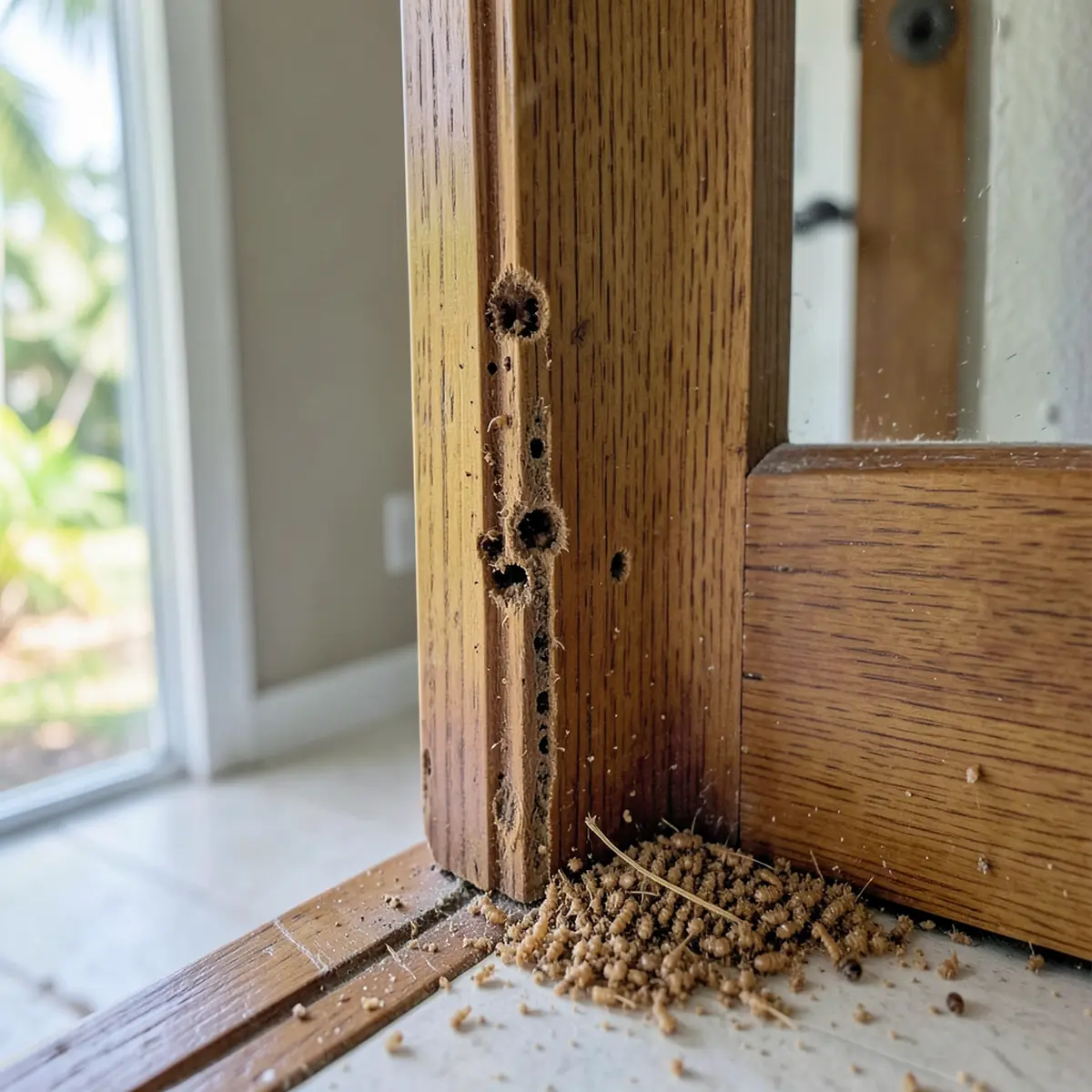
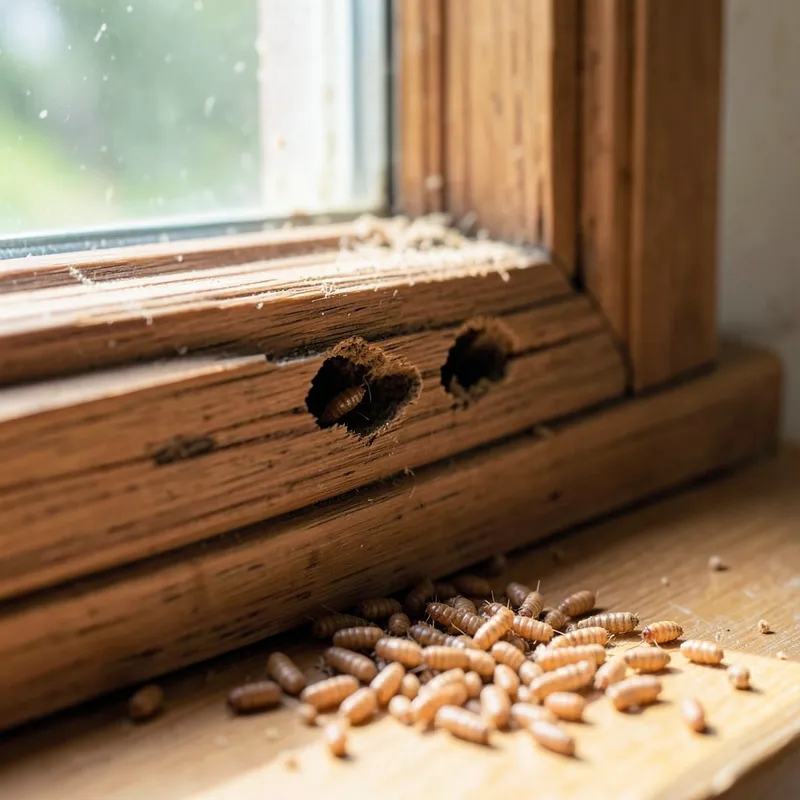
The most telltale sign of drywood termites is their droppings: small, six-sided pellets called “frass” that pile up near infested wood. You might also see swarmers (winged termites) around windowsills in spring or early summer, or notice blistered, hollow-sounding wood when you tap it. If you’re seeing tiny pellet piles on your windowsill or floor, that’s a drywood termite calling card you should not ignore.
What Are Subterranean Termites and Why Are They More Destructive?
Subterranean termites are the more destructive of the two and far more common in inland areas like Lehigh Acres, LaBelle, Clewiston, and Immokalee. As their name suggests, they live in the soil and build mud tubes to travel between their colony and the wood in your home. They need moisture from the ground to survive, so they rarely venture far from soil contact.
The dominant subterranean species in our region is Reticulitermes flavipes, the eastern subterranean termite. A single mature colony can contain hundreds of thousands of workers and forage across an area up to 300 feet from the nest. That means a colony under your neighbor’s slab could easily be feeding on your home as well.
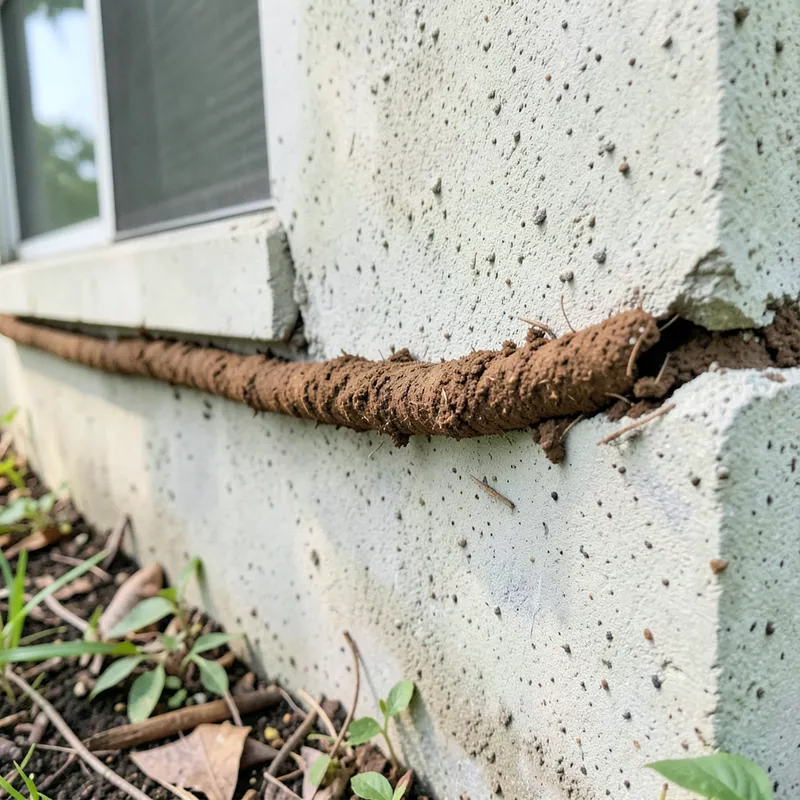
The signs are different from drywood termites. You’re more likely to find muddy-looking tubes running along your foundation, inside your garage, or up the side of a slab. The wood they damage often looks layered or packed with soil, and because they eat along the grain, damaged wood can sound hollow and give way with little pressure. Subterranean termites cause the vast majority of structural termite damage in the United States, estimated at over $5 billion annually.
Drywood vs Subterranean: How Do They Compare?
Understanding the differences between these two species is critical for choosing the right treatment. Here’s a side-by-side comparison:
Where They Live
Drywood termites live inside wood with no soil contact. Subterranean termites live in soil and travel through mud tubes to reach wood above ground.
What They Eat
Both eat cellulose, but drywoods prefer dry, seasoned wood like framing lumber, furniture, and trim. Subterraneans prefer moist or softened wood, often found where leaks, condensation, or soil contact have already begun to degrade the structure.
Signs and Droppings
Drywoods leave visible frass pellets: small, six-sided, and tan to brown. Subterraneans leave mud-like packed material inside damaged wood and mud tubes along foundations.
Colony Size and Damage Speed
Subterranean colonies are much larger, often hundreds of thousands of workers, making them capable of faster, more widespread damage. Drywood colonies are smaller (a few thousand) but can still cause significant damage over several years if left untreated.
Treatment Approaches
Drywood infestations are treated with localized wood treatments, foam applications, or whole-structure fumigation when infestations are widespread. Subterranean termites are managed with soil treatments, baiting systems (like Sentricon or Advance), and perimeter barriers. Visit our termite control page to learn more about our comprehensive approach.
How Can You Protect Your Southwest Florida Home From Termites?
Regardless of species, the best protection is prevention. A few habits go a long way:
Schedule Annual Termite Inspections
Many infestations are caught by a trained eye long before a homeowner notices damage. Our inspections include checking attic spaces, crawl areas, foundation perimeters, and moisture-prone zones where termites are most likely to gain entry.
Reduce Moisture Around the Foundation
Fix leaky outdoor spigots, redirect downspouts away from the slab, and keep soil graded away from the foundation. Subterranean termites thrive in moist soil, and condensation under your home creates ideal foraging conditions.
Keep Wood Away From the House
Firewood, lumber, and mulch should never rest against the siding. Store firewood at least 20 feet from the home and elevate it off the ground. Mulch should be pulled back 6 inches from the foundation.
Seal Cracks and Entry Points
Subterranean termites can enter through gaps as thin as a credit card. Seal expansion joints, plumbing penetrations, and cracks in the slab to reduce entry opportunities.
Invest in Active Protection
Baiting systems and treated soil barriers are the strongest defense against subterranean termites, which cause the most structural damage. These systems work 24/7, intercepting foraging termites before they reach your home. Our residential pest control plans include termite monitoring and prevention as part of a comprehensive approach.
From the Field: Ignacio Gomez on Termite Damage in SWFL
In my 14+ years treating homes across Lee and Collier counties, I’ve pulled open wall after wall and found termite damage the homeowner never knew was there. It’s the number one structural pest we deal with in Southwest Florida, and the damage is almost always hidden until it’s expensive. I’ve seen drywood termite galleries running through window frames in Naples waterfront condos, and I’ve found subterranean termite mud tubes climbing up garage walls in Lehigh Acres, right where the slab meets the framing.
Here’s what I tell every homeowner: if you haven’t had a professional termite inspection in the last year, schedule one. We can spot the early signs (frass pellets, mud tubes, soft wood) before you’re looking at thousands of dollars in repairs. As a veteran-owned, family-operated business, I treat every home like it’s my own. That’s not a slogan; it’s how we operate.
Ignacio Gomez, Owner & Lead Technician, Your Days Without Pests LLC
Frequently Asked Questions About Termites in Southwest Florida
How do I know if I have drywood or subterranean termites?
The easiest distinction is the evidence they leave. Drywood termites produce small, six-sided frass pellets that accumulate near infested wood. Subterranean termites build mud tubes along foundations and walls, and their damaged wood is packed with soil. If you see either sign, contact a licensed professional for a proper identification: treatment methods differ significantly between the two species.
When is termite swarm season in SWFL?
Subterranean termite swarms typically occur from March through June, most often after a warm rain. Drywood termites swarm later, usually from April through July. Swarms often happen during the day for subterranean species and at dusk for drywoods. If you see winged insects near your windows or light fixtures, save a sample for identification. It makes a big difference in determining the right course of treatment. For more on seasonal pest patterns, see our post on the Florida rainy season pest surge.
Does homeowners insurance cover termite damage in Florida?
In most cases, standard homeowners insurance does not cover termite damage, because it’s considered a preventable maintenance issue. This is one of the strongest reasons to invest in preventive termite protection and annual inspections. The cost of a baiting system or perimeter treatment is far less than the cost of repairing structural damage caused by an untreated infestation.
Protect Your Biggest Investment From Termites
Your Days Without Pests LLC is a veteran- and family-owned company based in Lehigh Acres. We’re licensed, insured, and have spent more than 14 years helping Southwest Florida homeowners protect their homes from both drywood and subterranean termites. We know which species are most active where you live, and we tailor our approach accordingly.
Call us at (239) 810-8762 for a free inspection. We’ll identify any current activity and recommend the right protection plan for your home before termites have a chance to do costly damage.