Pest Control in Naples, Florida
Pest Control in Naples, FL
Drywood termites in old coastal wood, ghost ants in the lanai kitchen, whitefly on the ficus hedge. Discreet service for Naples homes and gated communities.
- Naples and Collier County
- Free inspections
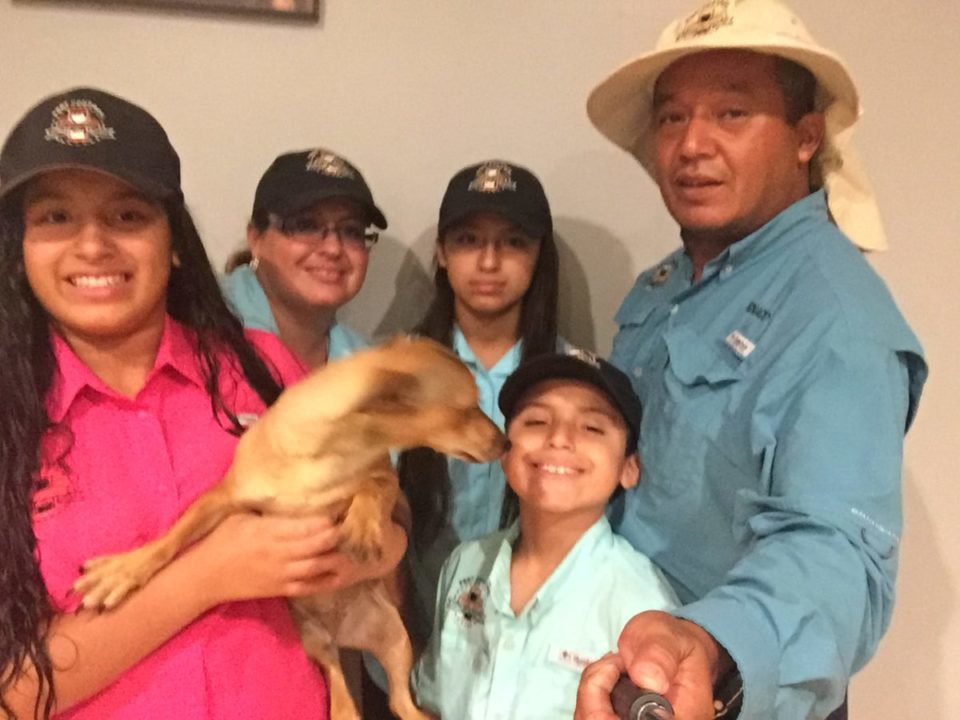
- Family operated
Coastal air, old wood and the Naples pest cycle
Naples runs on the water, in fact. Naples Bay and the Gordon River split the city. Everything west of US 41 sits close enough to the Gulf. So salt air and humidity work on the outside of a house all year long, in fact. However, Fifth Avenue South and Third Street South hold some of the oldest housing stock in Collier County. For that reason, it is where drywood termites, not the underground kind, do their damage.
Drive north through the Moorings, Pelican Bay and Vanderbilt Beach, and the housing changes again. The new picture is stucco, tile roofs and irrigated landscaping. In fact, that landscaping is also the draw. For example, ficus hedges along Gulf Shore Boulevard feed whitefly, mulch beds feed ghost ants, and irrigated lawns give chinch bugs a reason to stay.
Beach to inland bands
Naples is a city of narrow bands. The beachfront holds the historic Fifth Avenue South and Third Street South districts. There, small 1950s cottages sit beside rebuilt estates. Behind them, along US 41 and Goodlette Frank Road, come the 1970s and 1980s condominium clusters. Further inland, Golden Gate, Naples Manor and the estates off Livingston Road are newer and built on drained flatwoods. Each band keeps humidity differently. Meanwhile, each one gets a different pest list as a result.
For example, the water that shapes Naples is mostly tidal. Clam Pass, Wiggins Pass and the Gordon River all pull salt water in and out twice a day. The mangrove fringe around them never fully dries. Inland, the Golden Gate canal system and the miles of lakes inside gated communities serve the same purpose. Permanent water means permanent humidity and permanent insect production. So subdivisions that back onto a lake see mosquito pressure that inland lots never match.
What we treat in Naples
- Drywood termites Pellet frass on windowsills and tiny kick holes in trim are the signature in Naples. Also, these termites live inside the wood and need no soil contact. Also, they show up most in pre-1990 homes near the water where paint and caulk have aged.
- Ghost ants Barely visible trails run along lanai counters and bathroom sinks in Pelican Bay and the Moorings, usually after rain. Also, they nest in potted plants and wall voids. As a result, bait placement matters more than where the trail happens to be today.
- Whitefly Ficus hedges along Gulf Shore Boulevard and in Port Royal drop sticky honeydew and blacken sidewalks when whitefly populations spike. In addition, treating the hedge on a schedule keeps the mess off the driveway.
- Roof rats Attics in Naples get rodent traffic from the oaks and palm canopies that shade the older streets. Also, once inside, rats gnaw duct insulation and leave droppings near the air handler. That is often the first thing a homeowner notices.
- Mosquitoes Mangrove buffers and tidal creeks near Clam Pass and the Gordon River hold water long after rain stops. Also, saltmarsh mosquitoes travel miles to feed. Also, barrier work plus larvicide in the damp corners hits both the adults and the next hatch.
Coastal turf and palm pests
- Chinch bugs Irrigated St. Augustine lawns across Naples thin in widening brown patches from June onward, and chinch bugs are usually the cause. They feed where the turf is hottest, so the damaged strip follows the sun rather than the sprinkler head. Treating the soil and thatch layer stops it; watering more only makes the lawn look worse.
- Ghost ant trails Ghost ants arrive through window frames, potted orchids and lanai plumbing chases. Also, their trails are easy to miss because the workers are barely two millimetres long. Baiting the nest beats spraying the trail. Also, the nest is usually in a wall void or inside a planter rather than on the ground outside.
- Rat snakes and black racers Naples yards with mature canopy and irrigated beds support the lizard and rodent populations snakes live on. Also, most calls are non venomous rat snakes around garages and pool enclosures. We relocate what we find and close the openings that let them reach the house.
- Scale and mealybugs on ornamentals Ixora, hibiscus and crotons along Gulf Shore Boulevard carry scale and mealybug through the warm months. Also, the sooty mold that follows stains leaves and pavers. Also, targeted treatment of the affected beds beats spraying the entire garden.
Lawn care built for Naples properties
Naples turf takes sun, salt spray and heavy summer rain in the same week. We calibrate fertilization for alkaline sand. Also, we time pre-emergent weed control ahead of the rains to hold back dollarweed and nutgrass, and scout the sunny strips where chinch bugs brown a lawn in weeks. Palms, tropicals and flowering beds get targeted nutrition and scale control rather than a drench over the whole landscape.
How Naples is laid out, and what it means for pests
The Naples street map reads like a history of how the city filled in. Crayton Cove and the Aqualane Shores streets hold waterfront homes on older pilings. Old Naples between Broad Avenue and Gulf Shore Boulevard mixes 1930s cottages with rebuilt Mediterranean houses on the same narrow lots. North along the bay, Coquina Sands, Park Shore and the Moorings run together with irrigated tropical landscaping. Seagate, Pine Ridge and Golden Gate sit east of US 41 on drained flatwoods where the water table is still close to the surface.
Construction tells you where the termites are. A 1950s Naples cottage on a raised floor has wood joists close to damp ground and often no termite barrier at all. So drywood and subterranean colonies both find a way in. A 2015 block and stucco house around Livingston Road is far tighter, and its pest problems are landscaping driven instead: whitefly in the ficus, ants in the mulch, and chinch bugs anywhere the irrigation does not reach evenly.
Place names worth knowing if you live here: Clam Pass and Wiggins Pass keep the tidal water moving through the mangroves. Vanderbilt Beach and Delnor Wiggins sit at the north end, and the Gordon River runs inland where Naples Bay narrows. Baker Park and the Naples Preserve keep green corridors through the middle of town. Down along the East Trail toward the Everglades, the land opens into farms and drained marsh. That is why the eastern edge of the city sees more rodent pressure than the beach.
Naples, neighbourhood by neighbourhood
Old Naples between Fifth Avenue South and the beach
Narrow lots, 1930s cottages beside rebuilt Mediterranean homes, and irrigation running off reclaimed water. Drywood termites in the original window trim, ghost ants in the lanai planters and rats in the palm canopy.
Coquina Sands, the Moorings and Park Shore
Mid century and 1980s homes on the bay with heavy tropical landscaping. Whitefly in the ficus hedges, chinch bugs in the sunny turf, and roof rats that travel the palms straight to the tile roofs.
Pelican Bay and the beachfront towers
Condominiums with shared plumbing walls, trash chutes and parking garages. Work here is coordinated with association management: common wall roach treatment, garage level rodents, and balcony threshold sealing.
Port Royal and Aqualane Shores
Estates on deep water with docks, sea walls and dock houses. Salt air attacks exterior seals, and the dock structures hold humidity that draws ants and roaches, so exterior barrier work matters as much as the interior program.
Golden Gate and the estates off Livingston Road
Homes on drained flatwoods with newer irrigation and sandy soil. Subterranean termites along slab edges, fire ants in the open turf, and chinch bugs wherever the irrigation coverage is uneven.
The East Trail toward the Everglades
Larger parcels, fewer neighbours, and farmland or drained marsh at the property line. Rodent pressure is the constant, snakes follow the rodents, and mosquito production does not depend on your own yard at all.
Salt air, irrigated beds and the streets that run to the water
Naples yards are irrigated hard, and the water is usually treated. Reclaimed supply is common through the gated communities west of Livingston Road and in the older streets off Goodlette Frank. It carries enough nutrient that the landscape never really stops growing. As a result, beds stay moist under the mulch, which is where ghost ants and white footed ants put their satellite nests. The soil against the slab also stays damp enough for subterranean termites even on lots that never see standing water. Salt air on the western streets adds the other half of the problem.
Exterior caulk, door sweeps and the seals around lanai frames fail years earlier near the beach. So the openings that let roaches and ants inside appear sooner and get less attention.
The ornamentals matter as much as the irrigation. Ficus hedges, planted as screens along Gulf Shore Boulevard, in Coquina Sands and through the Moorings, host whitefly waves that blacken leaves and coat pavers. Ixora, hibiscus and crotons carry scale and mealybug, and the sooty mold that follows stains everything under them. Coconut and royal palms hold dead fronds longer than most owners notice. A palm crown is a dry, protected roost for roof rats. Sea grape, gumbo limbo and buttonwood along the mangrove edge host insects that feed lizards. The lizards feed the rat snakes that show up in garages. Also, live oak on the older inland streets drops acorns that draw rodents in from the neighbouring lots.
Water, ornamentals and landmarks
Landmarks fill in the rest of the picture. The Naples Pier and the beach ends of Fifth Avenue South and Third Street South put dense public landscaping against the water. The trash and foot traffic that come with them keep roach pressure on the commercial blocks behind the shore. Baker Park and the Gordon River greenway hold a corridor of water and vegetation straight through the middle of town. So mosquitoes reach streets that are nowhere near the Gulf. Clam Pass and Wiggins Pass move tidal water through mangroves twice a day and never dry. Out east, the Naples Preserve and the flatwoods around the airport keep a band of pineland habitat that supports rodents. The county line streets between Naples and Bonita Springs sit closest to that edge.
What grows and lives around Naples
Naples planting is coastal and manicured, and the species list follows the salt. Sea grape, with its round leaves and grape clusters, holds the dune line. It also holds the beach ends of the avenues. Gumbo limbo, buttonwood and white mangrove fill the mangrove fringe. Black mangrove and red mangrove take the wetter ground behind them. Cabbage palm and sabal palm also stand in almost every yard.
The ornamentals planted by the thousand are ficus, ixora, croton, hibiscus, oleander, bougainvillea and cocoplum. Frangipani and orchid tree are there for the flowers. Strangler fig and banyan appear in the older gardens. Also, coconut palm and royal palm crown the newer estates. It is a plant list that means whitefly, scale, mealybug and sooty mold through the warm months. It also means rats have a route to every roof within reach of a hedge.
The wildlife runs from the mangroves inward. Raccoons work the docks and the bins. As a result, a lanai screen so often has a torn panel. Meanwhile, opossums and armadillos come through the preserves at night. Also, rat snakes are the standard garage visitor, and they follow the lizards and the frogs. Cuban treefrogs live in drainpipes and pool cages. Their tadpoles show up in any container left standing. In addition, anoles, geckos and skinks patrol the walls. Meanwhile, gopher tortoises still hold their burrows on the undeveloped pineland east of the trail. Those burrows also shelter snakes and rodents, which is one reason bare ground gets checked before anything is applied. Mosquitoes arrive on the tide from Clam Pass and the Gordon River, and no-see-ums work the calm evenings near the water.
Streets and neighborhoods we work in Naples
Naples work comes from Fifth Avenue South, Third Street South, Port Royal, the Moorings, Coquina Sands, Park Shore, Vanderbilt Beach, Pelican Bay, Pine Ridge and Golden Gate, plus the condominium towers along Gulf Shore Boulevard. For our crews, gate lists, quiet hours and elevator access are routine.
Naples routes cover Old Naples and the Design District, Coquina Sands, Park Shore, Seagate, the Moorings, Vanderbilt Beach and Naples Park, plus Pine Ridge Crossing and the estates along Golden Gate Boulevard. Seasonal rental turnover around Fifth Avenue South and the beach condo towers is a regular part of the schedule. Also, gate access at Pelican Bay, Grey Oaks and Quail West is routine for our crews.
Naples accounts start with a free inspection, then one of six services carries the plan:
How the Naples season runs
In Naples the wet season runs from late May into October, and it is the busiest stretch of the year. Ghost ants trail indoors within days of a heavy storm. Chinch bugs brown irrigated lawns in the sunny strips, and whitefly populations on ficus hedges peak around August. Dry season brings different work: drywood termites swarm on warm evenings in spring. Rats look for warm attics as the nights cool, and irrigation keeps enough moisture in the soil that subterranean colonies never fully stop.
One pier, five avenues and the coastal pest drift
From the pier to the county line
Naples measures its geography from the pier. The historic Naples Pier reaches about a thousand feet into the Gulf, and the numbered avenues climb outward from Old Naples through the Moorings, Park Shore, Coquina Sands and up to Pelican Bay on the north end. Beach sand drains fast here. So drywood termite swarms on the older Aqualane Shores and Seabreeze Avenue houses usually outnumber subterranean colonies compared with inland neighborhoods.
Their swarm season also starts earlier where the salt air has weathered the trim. Meanwhile, homes on the Port Royal and Royal Harbour canals carry their own pest pressure in the dock pilings and lattice skirting, where flood tide salt mixes with fresh rainwater. The Lowdermilk Park beachfront and the pier district get swept each dawn, so the rodent and bird activity along the seawalls stays visible. The palm scapes on Gulf Shore Boulevard also keep roof rats moving between the fronds all year.
Naples also keeps a set of local facts straight. Port Royal, Royal Harbour and the Aqualane Shores canal system, the beach passes at Clam Pass and Wiggins Pass, and the pineland east of the East Trail all sit inside the same city limits, and they draw the same route map. That range is why a Naples inspection reads the lot before it reads the house.
Naples customers on our crews
-
Have had this company since moving to Florida in 2015. They are always professional, knowledgeable and on time. They always respond in a timely manner and are in… read more

Michelle Gardner
November 8, 2023Reasoable price, Reliable honest Service.
J R
July 27, 2023Super profesional
Aracely Hernàndez
July 26, 2023 -
When we bought our house in March, we were struck with the shock that it was infested with roaches. We deep cleaned and set up bombs to no avail. We… read more
Tabitha Ashley
December 30, 2022Excelente y muy profesional
Susana Bravo
October 24, 2022Best in Naples! Have been using Nacho and his team for a little over a year- great experience. We recently had a pool built and did not want a cage, Nacho… read more
Michael Spinosa
September 16, 2022 -
Very nice people and they show up when they say they will. Also did an excellent job on the problem we were having with ants. I would highly recommend them.
Larry Epperson
August 29, 2021I have very good experience with Your Days Without peasts. Ignacio spends time to explain the lawn treatment he plans to do. The servicemen are knowledgeable and dependable. They really… read more
Elaine Chambers
July 2, 2019Friendly, efficient, knowledgeable with reasonable prices. Responds quickly. Great customer service!
Jody Miller
June 17, 2019 -
The service was excellent and professional Would definitely recommend to anyone wanting to be pest free
Sharon Vargo
June 1, 2019Great service. They take the time to listen, they respond quickly, and they take care of special requests
Murray Schechter
April 21, 2019
Naples pest questions
Answers for Naples homeowners
Our HOA wants vendor paperwork. Can you provide it for a Naples community?
Yes. License and insurance documents are kept on file. Also, every visit ends with a written record of what was applied and where. If an association wants a standing letter for gate access, we supply one up front so service does not stall at the guardhouse.
How do I tell drywood from subterranean termites in a Naples home?
Drywood termites leave pellet shaped frass and need no soil contact. That is why they show up in door frames and window trim well above grade. Subterranean termites build mud tubes from the soil up. We probe and read moisture to confirm which one you have before quoting anything.
We live near the Gordon River and mosquitoes never quit. What actually works?
Treating the vegetation where adults rest and killing larvae in the pockets of standing water around the property works far better than fogging alone. As a result, homes backing tidal creeks need that two part approach through the wet season, roughly May into October.
The sunniest strip of our Naples lawn keeps thinning. Is that a pest?
On irrigated St. Augustine that pattern is usually chinch bugs, sometimes with grubs or sod webworms stacked on top. Bring a square foot of damaged turf if you want a confirmed answer. Also, our lawn program will treat the soil and thatch layer instead of soaking the canopy.
We have a ficus hedge along the driveway. Should it be treated on a schedule?
Yes, if you want the hedge and the concrete beneath it to stay clean. Whitefly populations rebuild through the warm months. Also, the honeydew they drop feeds sooty mold that stains pavers and car paint. For that reason, a scheduled treatment on the hedge keeps the mess down without spraying the whole garden.
Do you work with property managers on seasonal rentals in Naples?
Regularly. Turnover units need inspection between guests rather than on a fixed calendar. Also, vacuuming plus a mattress check catches most bed bug introductions while they are still confined to one room. We document each visit so the owner has a paper trail.
A free inspection first, a plan second, for Naples properties
Nobody in Naples needs a package sold at the door, in practice. We look at the property, explain what is active and what it costs, and leave the decision with you.
Naples and the areas we serve from here
Naples routes also cover Marco Island and Isles of Capri on request, Goodland and East Naples, Golden Gate Estates and the rural Collier parcels along Immokalee Road, Bonita Springs to the north, and the county line communities between Naples and Fort Myers.