Pest Control in Clewiston, Florida
Pest Control in Clewiston, FL
On the southwest shore of Lake Okeechobee, in the middle of cane country. Clewiston pest work follows the lake, the dike and the harvest.
- Clewiston and the lake
- Free inspections
- Family operated
Lake Okeechobee sets the humidity
Clewiston sits on the southwest shore of Lake Okeechobee, and the Herbert Hoover Dike runs along the edge of town. Water that size keeps humidity high through the year, and the Okeechobee Waterway carries boat traffic and insects between the lake and the coast. The town grew around sugarcane, and it still calls itself America’s Sweetest Town for good reason.
That agricultural base shapes pest control here. Cane fields, mill operations and the canal system around them support large insect populations, and when fields are burned, cut or flooded, insects and rodents spread into town. Older wood frame houses near the lake take more termite and rodent pressure than the newer construction on the east side.
Clewiston sits on a ridge of higher ground just south of Lake Okeechobee, with the Herbert Hoover Dike running along the western edge of town. The Okeechobee Waterway cuts across the state through the lake and the canals on either side, so boat traffic, irrigation water and insects all move along the same corridor. Sugar cane fields begin at the city limits in almost every direction.
Also, housing here reflects the town’s history as a company settlement. The older blocks near the lake hold small frame houses built for mill and field workers, with raised floors and screened porches. Newer streets on the east side are concrete block on fill. The gap between them matters: raised wood floors get termites and rodents, block homes on fill get ants and roaches.
What we treat in Clewiston
- Subterranean termites Lake humidity and old wood construction near the waterfront are the worst combination for termites. We inspect foundation walls, porch piers and any wood in contact with soil, and we check the detached sheds that older Clewiston lots usually have.
- Fire ants Cane country keeps fire ants abundant, and they mound up in yards, driveways and along the dike. Whole property baiting on a schedule is the only approach that holds them, because mounds within a few feet of each other are often the same colony.
- Snakes Rodents near the lake and the canals bring snakes in behind them. Rat snakes and racers around sheds and garages are the usual calls. We remove what we find by hand and seal the ground level openings that let them in.
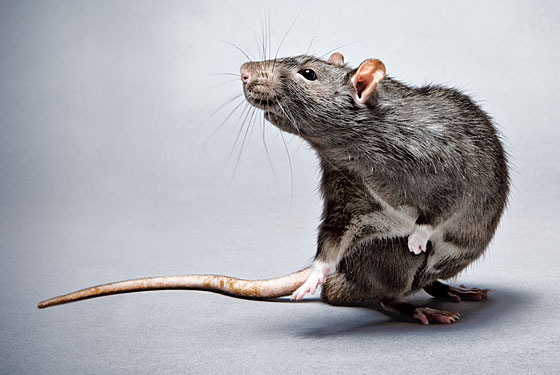
- Rodents Harvest season pushes rats and mice out of the fields. Trapping plus exclusion at the foundation and roof line stops the pattern rather than repeating it. Attic entry often traces back to a soffit or a plumbing stack.
- Mosquitoes The lake, the canals and the waterway produce mosquitoes in volume. Larvicide in standing water on your own lot plus barrier treatment on shade vegetation is what makes a yard usable through the wet months.
- Roaches in cane town housing Older frame houses near the lake have gaps at the baseboards and around plumbing that let American roaches in from the outside and give German roaches a place to hide inside. We treat the exterior harborage in the mulch and the crawl space first, then bait the kitchen and bath voids.
Cane town housing and the mill sheds
- Field rodents in shops and sheds When cane is cut or fields are worked, rats and mice leave the rows and head for the nearest building. Trapping plus exclusion on the shop, the shed and the house is a single job in Clewiston, because sealing only one structure just moves the problem next door.
- Termites in mill era housing The frame houses near the lake date from the sugar mill years, and many have wood siding and raised floors with no barrier under them. We inspect the foundation posts and the underfloor framing, which is where the damage starts on these homes.
- Mosquitoes from the dike borrow canals The borrow canals along the Herbert Hoover Dike hold shallow water continuously, and that is a mosquito nursery no yard treatment can reach. What helps is treating your own lot’s containers and shade vegetation, since the adults that reach you still rest somewhere.
Lawn care in Clewiston
Clewiston lawns grow on flat, sandy ground with a water table that stays high near the lake. We feed the turf on a schedule for that soil, keep pre-emergent down ahead of the summer rains, and treat chinch bugs and mole crickets in the soil and thatch rather than spraying the canopy. Ornamentals on the older lots get scale and whitefly work with the beneficial insects left alone.
Clewiston blocks, the dike and the mill houses
Also, Clewiston’s street plan is compact and easy to learn. Sugarland Highway and Berner Road carry most of the traffic, the downtown blocks sit close to US 27, and the older residential streets run toward the lake and the Herbert Hoover Dike on the western edge of town. The municipal marina and the lakeside park are where the town meets the water, and the sugar mill and its associated land form the western and southern boundaries of the built area.
Also, the lake is the defining feature, and it is enormous. Okeechobee is the largest freshwater lake in the southeastern United States, and the dike that holds it is a continuous embankment with borrow canals along its length. Those canals, the lake itself and the field ditches that drain the cane land all hold water through the year. This is why mosquito production here does not depend on your backyard at all.
Construction is older than many people expect. The blocks near the lake hold small frame houses from the mill era with raised floors, screened porches and original windows. Further east the housing is concrete block on slab, mostly from the 1980s onward, with carports and metal roofs. Farm service buildings, equipment sheds and shops are common on the edge of town, and each one is a separate rodent and termite conversation.
Clewiston, block by block
Sugarland Highway and downtown
Older commercial blocks and mill era housing within a short walk of the lake. Roaches in the old drains, termites in the frame construction, and palmetto bugs coming in from the shade trees.
The lakefront streets and the marina
Docks, boathouses and houses closest to the water. Mosquito pressure is heaviest here, salt and freshwater mix in the canals behind the seawalls, and dock timber is always worth inspecting.
The streets along the Herbert Hoover Dike
Ground that stays damp from the borrow canals, with a mix of older and newer houses. Termites work the damp slab edges, and fire ants mound along the embankment all year.
Berner Road and the eastern residential blocks
1980s and 1990s concrete block on slab, carports and metal roofs. Ants in the wall voids, mole crickets in the lawns, and rodents in the storage sheds behind the houses.
US 27 frontage and the commercial strip
Fuel stops, restaurants and equipment yards. Roaches in the food service buildings, rodents in the yards, and the documentation that a health inspection requires.
The cane field edges and Harlem
Agricultural and residential ground in the same block. Field work pushes rodents toward the houses, and the open sandy lots keep fire ant pressure high all year.
The lake itself, the cane year and the levee
Lake Okeechobee is the second largest freshwater lake wholly inside the United States, and Clewiston sits on its south shore. The lake governs everything here: the dike, the cane fields east and west of town, and the mosquitoes that breed in the swales every wet season. Wind drives the water against the dike in sheets. This is why the shore is rock and levee rather than beach, and why the borrow canals dug beside that levee hold shallow water year round. The lake also sits at the top of the Okeechobee Waterway, the canal system that runs the boats across the state to the Gulf at Fort Myers. That is a continuous corridor of water and human traffic through the middle of town. Also, it means the mosquito population around the lake and the waterway never fully stops, even in the driest month.
The cane year and what it changes
Then there is the cane year. The mill grinds around the clock from the first cane trucks in October until the harvest winds down in spring, and the seasonal workers, equipment yards and cane trash that come with it change the town’s pest rhythm completely. The mill grinds around the clock from the late autumn into the spring, and fields are worked, cut and moved through the same months, so the largest agricultural operation in the county runs right through the period when the weather is at its mildest.
Field rodents lose their cover whenever a block of cane is harvested and the nearest building is where they go. This is why the calls in Clewiston cluster in the winter and early spring rather than in summer. In the housing stock, the difference is age rather than type: the streets built for mill and field families have wood siding, raised floors and old plumbing chases, and the later blocks have concrete block on slab and metal roofs. Roaches and termites take the first kind, ants and lawn insects take the second.
The dike, the park and the fairground
The levee organises the geography around it. John Stretch Memorial Park and the recreation area sit against the Hoover Dike on the lake side, while the neighborhoods, schools and stores run along State Road 80 and the streets behind it. John Stretch Memorial Park sits on the lake side and keeps public water access and picnic ground on the shoreline, and Roland Martin Marina on the same stretch concentrates boats, docks, grease traps and fish cleaning stations into one place. This is a reliable rodent and roach location in any town on water.
The Hendry County Fair brings livestock, food vendors and crowds to the same blocks once a year, and each of those brings its own pest traffic. Moore Haven is a short drive west along the waterway and the county line with Glades County, and the unincorporated cane country between the two holds the mill hamlets and field camps that came before the town itself.
Lake plants and cane country animals
Also, Clewiston sits between two planted worlds. Inside the dike, the lake’s marsh grasses, cattails and willow line every channel, and outside it, the citrus and sod farms meet the cane fields in a green band that never dries out. Inside the levee, Lake Okeechobee is shallow enough that light reaches the bottom across most of it, and the marsh inside the dike is bulrush, cattail, spike rush and maidencane, with hydrilla and water hyacinth in the shallows and eelgrass in open water.
Outside the levee, sugarcane runs in blocks across the muck and sand, with rice, sod and pasture mixed in, and the field ditches and borrow canals hold cattail and pickerelweed all year. In town, the planting is simple: cabbage palm, live oak, hibiscus, oleander and citrus, with sabal palm and coconut palm in the newer yards. The cane fields are burned before harvest, so the field edges and the drainage banks are bare and then regrow. This is exactly why rodents move toward town in the cutting season.
Bass, kites and the marsh birds
The lake carries the wildlife. Okeechobee is one of the most productive bass fisheries in the country, snail kites work the marsh, and the marsh rabbits and raccoons follow the water line inside the dike. Okeechobee is one of the most important waterfowl lakes in the southeast, so winter brings coots, teal, ring necked ducks, mottled ducks and thousands of other birds to open water and to the marsh.
Also, bald eagles nest along the lake, snail kites hunt the apple snails in the marsh, and ospreys and anhingas work the open water. Alligators are everywhere along the dike, and in spring the lake is famous for largemouth bass fishing. This is why the marina and the campground sit where they do. On land, cattle egrets follow the cane and the mowers, turkey vultures and caracaras work the field edges, and feral hogs, coyotes, armadillos and opossums use the farmland. Rat snakes are routine, water moccasins live near the canals, and lovebugs swarm over the cane twice a year.
Clewiston streets and areas we serve
Clewiston routes run along US 27 and State Road 80, through downtown on Sugarland Highway and Berner Road, and out to the streets near the dike, the municipal marina and the lakefront. Neighboring areas on the same route include Harlem and Moore Haven.
Work covers downtown Clewiston along Sugarland Highway and Berner Road, the streets near the municipal marina and the lakefront, the neighborhoods close to the dike, and the rural blocks between Clewiston, Harlem and the cane fields. Moore Haven is on the same route to the west.
Clewiston properties start with a free inspection, then one of six services does the work:
Lake seasons and Clewiston pests
Clewiston runs hot and wet from May through October, and lake humidity keeps the shoulder months muggy as well. Mosquitoes breed continuously through that stretch because the lake, the dike borrow canals and the field ditches all hold water. Harvest season in the cooler months is when rodent traffic into buildings peaks, and fire ant mounds rebuild through the winter on ground that never really cools.
The town the dike and the mill built
Clewiston sits on the south shore of Lake Okeechobee, Florida’s largest lake, at the western edge of the Everglades cane country: the US Sugar mill downtown processes the fields around town, and the Hoover Dike closes the southern horizon just blocks from the historic main street. The dike-top trail gives the town a steady breeze that pushes lake midges and mosquitoes back toward the marsh through most of the day, but on calm evenings they come back over US 27 in numbers.
Housing splits between the older grid east of the highway, where 1950s frame houses hold subterranean termites in their original sill plates, and the newer subdivisions along the lake’s western shore. Cane burns before harvest, and the smoke days that follow push field rodents, snakes and flying insects toward the town edges for a day or two at a time. This is when the phones here ring the hardest.
What Clewiston customers say
-
Have had this company since moving to Florida in 2015. They are always professional, knowledgeable and on time. They always respond in a timely manner and are in… read more

Michelle Gardner
November 8, 2023Reasoable price, Reliable honest Service.
J R
July 27, 2023Super profesional
Aracely Hernàndez
July 26, 2023 -
When we bought our house in March, we were struck with the shock that it was infested with roaches. We deep cleaned and set up bombs to no avail. We… read more
Tabitha Ashley
December 30, 2022Excelente y muy profesional
Susana Bravo
October 24, 2022Best in Naples! Have been using Nacho and his team for a little over a year- great experience. We recently had a pool built and did not want a cage, Nacho… read more
Michael Spinosa
September 16, 2022 -
Very nice people and they show up when they say they will. Also did an excellent job on the problem we were having with ants. I would highly recommend them.
Larry Epperson
August 29, 2021I have very good experience with Your Days Without peasts. Ignacio spends time to explain the lawn treatment he plans to do. The servicemen are knowledgeable and dependable. They really… read more
Elaine Chambers
July 2, 2019Friendly, efficient, knowledgeable with reasonable prices. Responds quickly. Great customer service!
Jody Miller
June 17, 2019 -
The service was excellent and professional Would definitely recommend to anyone wanting to be pest free
Sharon Vargo
June 1, 2019Great service. They take the time to listen, they respond quickly, and they take care of special requests
Murray Schechter
April 21, 2019
Clewiston questions about the lake and the cane
Clewiston pest and lawn questions
Is living near Lake Okeechobee why we see so many mosquitoes and bugs?
It is a big part of it. Water that size keeps the air humid and produces insects continuously through the season. Homes closest to the lake and the canals see the heaviest pressure, and larvicide plus barrier work is the combination that actually reduces it.
Harvest season sends rodents into our shop every year. What stops that?
Field work pushes rats and mice out of cover, and the nearest structure is where they go. Trapping alone resets every season. Sealing the foundation gaps, the roll up door edges and the roof line is what changes the outcome, and it is a one time job worth doing properly.
Our yard is close to the dike. Anything different about treating there?
The ground near the dike stays wet, which means the baiting stations and barrier have to be placed where they will not wash out. We also pay attention to fire ant mounds along the embankment, because that soil holds moisture and mounds rebuild quickly.
We run a business in town. Can you work around our hours?
Yes. Agricultural and industrial schedules in Clewiston often run early or late, and commercial service can be booked outside your busy hours. We monitor stations on a set interval and keep the written records your inspections require.
Our shop is on the edge of the cane fields. Can anything actually keep rodents out?
Exclusion is what keeps them out, and it is a one time job if it is done properly: door sweeps, foundation gaps, roof returns and pipe penetrations. Trapping handles the animals already inside. Without the sealing step, harvest season puts you back to square one every year.
Does the lake make a difference to mosquito control for a home in town?
It does, because the lake and the canals keep producing mosquitoes across a huge area, not just near the water. Your own lot still matters: anything holding water, from boat covers to plant saucers, breeds Aedes mosquitoes within a week. We treat your lot’s sources and the shade vegetation where adults rest, which is the part inside our control.
Free inspection in Clewiston
We will inspect the house, the yard and the outbuildings, then quote the work in writing. Free inspection and no obligation to book the treatment that day.
Clewiston and the communities we serve from here
Clewiston crews also serve Harlem and the surrounding Hendry County blocks, Moore Haven to the west, LaBelle and Fort Denaud beyond it, and the cane country parcels and fish camps along the lake shore.