Pest Control in LaBelle, Florida
Pest Control in LaBelle, FL
A river town in the middle of citrus, cattle and sod country. LaBelle pest pressure comes off the groves and the Caloosahatchee at the same time.
- LaBelle and Port LaBelle
- Free inspections
- Veteran owned
A river town with agriculture on every side
LaBelle sits on the Caloosahatchee River downstream of Lake Okeechobee, and it is the Hendry County seat. The river is the reason the town exists. Also, it is also why the air stays humid through most of the year. Agriculture surrounds the city limits, so groves, ranches and sod farms all share a border with residential streets.
That border is what makes pest control in LaBelle different from a coastal city. Farm land supports large insect and rodent populations. When fields are worked, harvested or flooded, animals move toward the nearest shelter. Downtown and Port LaBelle both catch that movement, and older wood frame homes take the worst of it.
LaBelle grew where the Caloosahatchee meets State Road 29, and the town still reads like a river settlement. Downtown along Bridge Street and Main Street holds the courthouse, the older commercial blocks and a grid of bungalows behind them. Meanwhile, Port LaBelle spreads east as a later subdivision. It has its own drainage canal system and a much flatter layout.
Also, the land around LaBelle is working ground. Citrus groves, cattle pasture and sod farms sit inside and outside the city limits. Also, the Caloosahatchee carries water from Lake Okeechobee past all of it. Barron Park and the riverside at LaBelle Nature Park are the two places the town meets the water. Both are low, shaded and damp for most of the year.
What we treat in LaBelle
- Subterranean termites Humid river air and older wood construction make LaBelle a high pressure area for subterranean colonies. We check bath traps, porch piers and any wood in contact with soil, which is where most of the damage starts in homes this age.
- Fire ants Working ranch and sod ground keeps fire ant populations high, and mounds appear in yards, along driveways and near livestock pens. Whole property baiting on a schedule holds them down better than treating individual mounds.
- Snakes Agriculture means rodents, rodents mean snakes. Most LaBelle calls are for rat snakes and black racers around sheds and garages. We remove what we find by hand and close the openings that let them in.
- Rodents Field mice and rats move indoors when crops come off or when the ground floods. Trapping plus exclusion at the foundation and roof line stops the cycle instead of resetting traps every few weeks.
- Palmetto bugs American roaches thrive in the damp, shaded areas around older downtown homes. The fix is outside in: clear the leaf litter and mulch against the house, seal the plumbing penetrations, then bait the voids where they harbor.
- Citrus and ornamental pests Grove and yard trees around LaBelle carry scale, citrus leafminer and whitefly at different points in the year. Treating the individual trees that matter and leaving the beneficial insects alone works better than a broad spray, especially where citrus trees sit close to the house.
Citrus, ornamentals and the grove edge
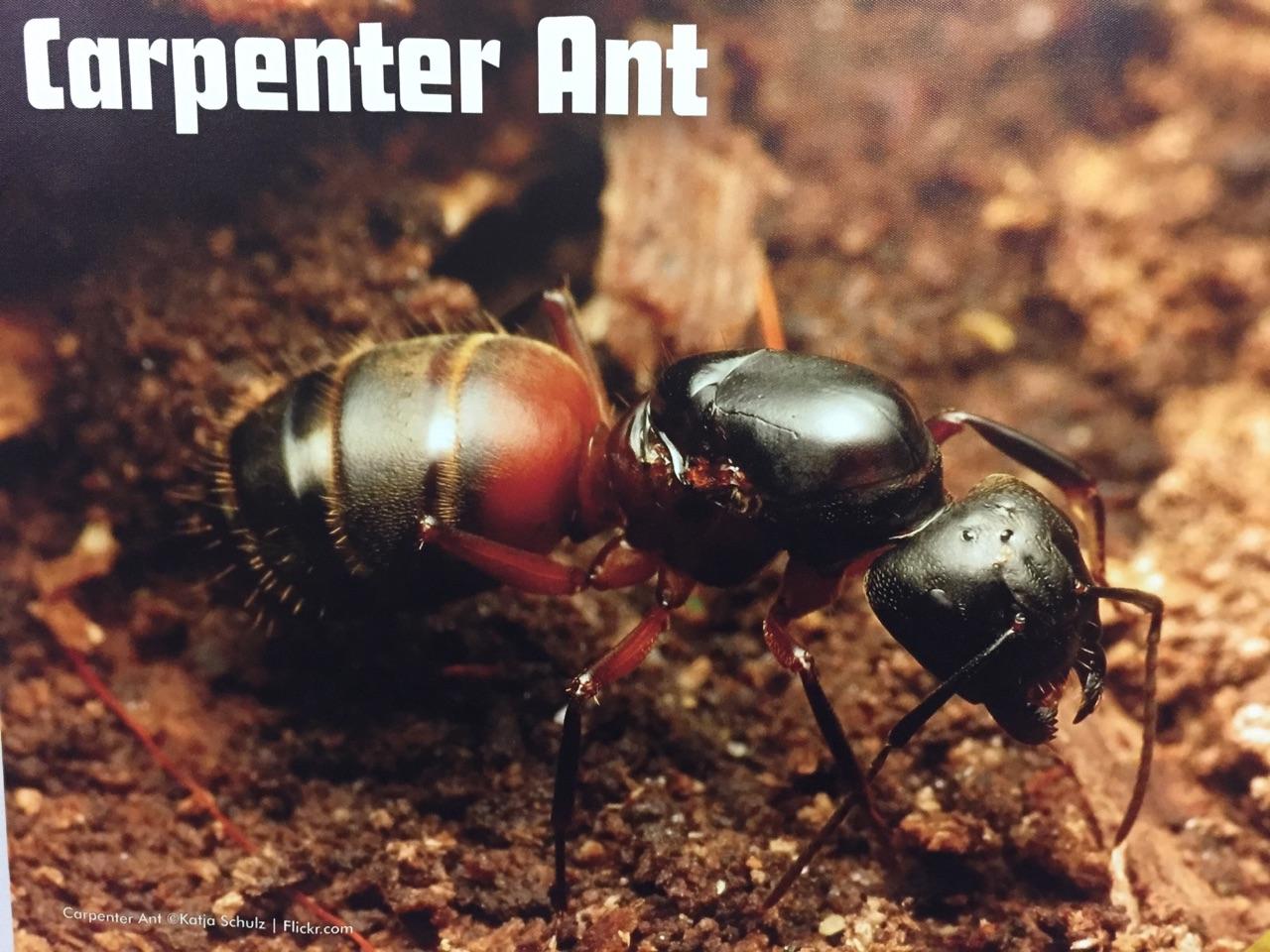
- Carpenter ants Damp wood at LaBelle’s older homes and outbuildings gives carpenter ants a nest site, and they will travel twenty metres from the nest to a kitchen. Finding the water source and the gallery is the job; spraying the visible workers rarely resolves it.
- Cockroaches in older downtown buildings The commercial blocks and bungalows around Bridge Street have overhead plumbing, shared wall voids and old floor drains, which is why American roaches keep coming back. Cleaning the drains and baiting the voids is what breaks the cycle.
- Mole crickets in Port LaBelle lawns The canal side lawns in Port LaBelle are irrigated and warm at the root zone through summer, which suits mole crickets. Their tunnels soften the turf so it gives underfoot. Soil and thatch treatment reaches the nymphs.
Lawn care for LaBelle yards
LaBelle lawns grow on flat, sandy ground that drains slowly in the wet season. Our program feeds the turf on a schedule for that soil. It times weed control before summer, and it treats chinch bugs and mole crickets in the soil and thatch. Ornamental beds around older homes get scale and whitefly control without a broadcast spray that would take out the beneficials.
LaBelle blocks, groves and the river
LaBelle is a courthouse town with a river running along one side of it. Bridge Street and Main Street mark the historic core. State Road 80 runs east to west toward Alva and Clewiston. State Road 29 goes north and south. Port LaBelle sits east of downtown on its own canal system. Its layout is flatter and more suburban than the older streets. Barron Park and the LaBelle Nature Park are the two places where the town touches the Caloosahatchee directly.
Around the city limits the land is in production. Citrus groves, cattle ranches and sod farms cover most of Hendry County’s acres. LaBelle is where the equipment, the barns and the workers are based. That means farm traffic on the roads and feed and chemical storage on the properties. It also means a rodent population that is managed around buildings rather than eliminated in the fields.
Also, the buildings tell you where the moisture is. Downtown LaBelle holds 1920s and 1930s commercial blocks and a grid of bungalows with raised floors and original plumbing. Port LaBelle’s homes are 1980s and 1990s concrete block on slab. The raised floor houses get termites and crawl space roaches; the slab houses get ants, mole crickets in the St. Augustine turf, and rodents along the canal banks at the back of the lot.
LaBelle, block by block
Bridge Street and the courthouse blocks
1920s commercial buildings with overhead plumbing and old floor drains. American roaches come up from the drains and German roaches work the food service kitchens.
Main Street and the bungalow grid behind it
Raised floor houses with pier and beam construction and original plumbing. Termites in the piers and underfloor framing, roaches in the crawl space, and rats under the floor.
Port LaBelle and its canal neighborhoods
1980s and 1990s concrete block homes on slab with irrigated lawns. Ants turn up in the mulch, mole crickets in the turf, and rodents along the canal banks at the back of the lots.
Barron Park and the riverside streets
Mature canopy, public green space and older housing close to the water. Mosquito pressure runs longer here than anywhere else in town, and termites work any wood near the damp ground.
State Road 29 and the north end
Mixed commercial, equipment yards and housing on larger lots. Fire ants hold the sandy ground, rodents hold the storage yards, and snakes hold the fence lines where the town meets the fields.
The grove and ranch edges on every side of town
Citrus blocks, cattle pasture and sod farms. When those acres are worked or harvested, rodents move toward the nearest building. This is usually a house or a barn inside the city limits.
Groves, cattle ground and the blocks near the river
LaBelle is the Hendry County seat, and it still works for a living. The county courthouse anchors the modest grid of streets just off the highway. Also, the shops, offices and county buildings around it keep a steady, small scale commercial pest load. Downtown LaBelle sits close to the river. This keeps the commercial blocks one shade more humid than the streets a mile east. Cattle ranches, citrus groves and vegetable ground sit directly against the residential blocks. Agricultural land next to housing changes what turns up in a yard.
Grove and pasture edges hold rodents. They move toward the nearest structure when the grass is cut, when a grove is worked, or when the water table drops in a dry spell. Irrigation in the groves and on the pastures runs on a schedule that does not match the rain. So soil beside a residential lot can be soaking wet in the middle of the dry season. Port LaBelle to the east is newer, drained and platted, and its calls are landscape pests rather than farm ones.
The riverbank and the older blocks
The riverbank is the other half of the picture. LaBelle sits in the bend of the Caloosahatchee just before the river turns tidal toward Olga and Alva. Also, the oxbows, canals and pastures behind the waterfront keep water where the town can see it. Homes on North River Drive and the streets running off it face moisture. The inland properties behind the school never see it. Also, their pest lists differ because of it.
LaBelle sits on the Caloosahatchee. The older blocks closest to the water hold frame houses from before air conditioning, raised on piers with wood floors and no barrier underneath. That construction is what drywood termites and old house borers want. Also, it is also where roaches find gaps at the baseboards. The historic downtown around the courthouse holds commercial buildings with old drains and shared walls. This is where commercial roach work concentrates. The newer concrete block houses further from the river are tighter and less interesting to wood destroyers. However, their irrigated lawns and mulch beds keep ants, chinch bugs and mole crickets busy.
The festival calendar and the roads
The annual calendar here is written on the town. The Swamp Cabbage Festival fills Memorial Park every February, the school year turns the traffic over twice a day. Also, the produce trucks run year round. Swarms of winged termites land on store fronts after the first hard May rain. Then roaches wander in from the sanitary lifts whenever the wet season pushes water up. Those public rhythms are the practical calendar that gets scheduled around.
Also, the Swamp Cabbage Festival fills Barron Park and the river frontage every February. This puts crowds, food vendors and waste in a concentrated area at the driest point of the year. The LaBelle Heritage Museum and the courthouse blocks keep older buildings in daily use. State Road 29 runs south toward Immokalee and State Road 80 runs east to Clewiston and west to Fort Myers. As a result, the town sits at a crossroads for agricultural traffic. This is how field rodents and roaches travel between properties on produce trucks and equipment. Ortona and Fort Denaud put the same river character a few minutes up and down the water.
Grove and pasture life around LaBelle
LaBelle is surrounded by working ground, and the plants show it. Citrus groves and row crops run right up to the town limits. So leafminers in the groves and leaf footed bugs along the field edges sit next door to backyards. Citrus groves hold Hamlin and Valencia oranges, grapefruit and tangerines in rows. Bahia grass and bermuda fill the ground between them on the pasture side. Oak hammocks of live oak and water oak still stand on the older parcels. Cabbage palm and sabal palm grow through them.
The Caloosahatchee bank carries cypress, pond apple and buttonbush, with pickerelweed, cattail and water hyacinth in the water. Around the houses and the courthouse blocks, the planting is the ordinary Florida list. Cabbage palm, hibiscus, oleander, ligustrum and croton fill it, plus the oak that was kept for shade. Where a grove edge meets a fenced yard, that edge is the busiest place on the property. Field cover and a building are both within a few feet of it.
From egrets to cane toads
Also, the animal life reflects a county that farms. Cattle egrets, ibis, herons and killdeer work the sod farms and pastures, sandhill cranes winter on the ranch land. Also, the creek corridors shelter otters. In town, roof rats travel the power lines and armadillos dig up the flower beds. Cuban treefrogs get into everything from downspouts to pool skimmers. On the rural edges, coyotes, feral hogs and rattlesnakes fill out the list. LaBelle’s mix runs more rural than coastal, so the calls lean toward yard and outbuilding work rather than seawall condos. Cattle egrets, ibis, herons and killdeer work the pasture and the ditches. Sandhill cranes and wood storks use the wetter fields. Turkeys and deer move along the grove edges.
Feral hogs are a real presence and they root the pasture. Armadillos and opossums work the yards and the barns. Coyotes and bobcats hunt at night along the hedgerows. Bats and barn owls use the outbuildings, and their droppings accumulate in the same places feed is stored. Alligators sit in the river and in the farm ponds. Rat snakes and racers are routine, and water moccasins live near the ditches. So brush along a canal bank gets handled with care. Lovebugs swarm across the groves twice a year. Mud daubers and paper wasps nest under the eaves and in equipment sheds. Mosquitoes come off the river, the irrigation reservoirs and the stock tanks.
LaBelle streets and neighborhoods we cover
LaBelle work comes from downtown along Bridge Street and Main Street, Port LaBelle, Barron Park, the LaBelle Nature Park area. Also, the river streets off State Road 29 and State Road 80. Fort Denaud across the river is on the same route.
Work covers downtown LaBelle along Bridge Street, Riverbend and the streets off State Road 29. Port LaBelle and its canal lots sit on the same route. Barron Park and the LaBelle Nature Park area round it out. Also, the rural parcels between LaBelle and Fort Denaud. The roads toward Immokalee and Clewiston are on the same route on set days.
LaBelle jobs start with a free inspection, then one of six services carries the plan:
How the year runs in LaBelle
LaBelle’s pest pressure tracks the river and the fields. From May through October, river humidity and summer rain combine. Termites keep feeding, mosquitoes keep hatching, and ants stay on the move. Citrus harvest and grove work in the cooler months push rodents out of the rows and into buildings. Fire ant mounds rebuild in pasture faster in spring than anywhere else we service. Snakes are most active from March through October, when rodent activity is highest.
The citrus town on the river bend
LaBelle sits on the Caloosahatchee where the river bends north. LaBelle’s position on the river with State Road 80 running through it has made it the quiet half of the county. There are fewer roofs than Fort Myers and more moisture per acre. Pest pressure follows the water table instead of the tourists. East of town, the watermelon and citrus farms run on the sandy ridge soils along State Road 29. The road points toward the Lake Okeechobee dike country around Moore Haven. Irrigation water moves through town in the open ditches and the river’s channelized bends. So mosquitoes and biting midges ride that cycle all summer. Also, the older wooden houses in the Fort Thompson Avenue district hold subterranean termites in their under-porch skirting. LaBelle’s riverfront park downtown gives the midges wind at dusk. Residents learn quickly which evenings to keep the porch lights off.
What LaBelle customers say
-
Have had this company since moving to Florida in 2015. They are always professional, knowledgeable and on time. They always respond in a timely manner and are in… read more

Michelle Gardner
November 8, 2023Reasoable price, Reliable honest Service.
J R
July 27, 2023Super profesional
Aracely Hernàndez
July 26, 2023 -
When we bought our house in March, we were struck with the shock that it was infested with roaches. We deep cleaned and set up bombs to no avail. We… read more
Tabitha Ashley
December 30, 2022Excelente y muy profesional
Susana Bravo
October 24, 2022Best in Naples! Have been using Nacho and his team for a little over a year- great experience. We recently had a pool built and did not want a cage, Nacho… read more
Michael Spinosa
September 16, 2022 -
Very nice people and they show up when they say they will. Also did an excellent job on the problem we were having with ants. I would highly recommend them.
Larry Epperson
August 29, 2021I have very good experience with Your Days Without peasts. Ignacio spends time to explain the lawn treatment he plans to do. The servicemen are knowledgeable and dependable. They really… read more
Elaine Chambers
July 2, 2019Friendly, efficient, knowledgeable with reasonable prices. Responds quickly. Great customer service!
Jody Miller
June 17, 2019 -
The service was excellent and professional Would definitely recommend to anyone wanting to be pest free
Sharon Vargo
June 1, 2019Great service. They take the time to listen, they respond quickly, and they take care of special requests
Murray Schechter
April 21, 2019
LaBelle pest questions
LaBelle pest and lawn questions
Does nearby farm land bring more pests into LaBelle yards?
It does. Fields support insect and rodent populations that move toward shelter when ground is worked, flooded or harvested. That is why whole property baiting and exclusion at the house matter more here than in a town surrounded by other houses. We plan the season around when those movements happen.
Are snakes something you handle, or do we call someone else?
Snakes we find during a service get removed by hand, and we close the rodent openings that attract them. We do not use poison on snakes. If it turns out to be a protected or large species, we will say so and point you to a licensed wildlife trapper.
Our older LaBelle home has a pier and beam foundation. Anything special about that?
Crawl spaces under pier and beam homes hold moisture and stay dark, which is why termites and roaches show up there first. We inspect the substructure, look for mud tubes on piers, and treat or bait based on what the wood shows rather than setting a package by default.
How wet does the ground stay near the river?
Wet enough that slab edges and porch footings stay damp through the year, which is what subterranean termites need. Drainage in LaBelle is slow because the ground is flat, so standing water in low spots is common after big rain. That is also where mosquito larvae hatch.
We have citrus trees on the property. Does your lawn program cover them?
We treat ornamental and yard trees rather than grove blocks, and we will tell you honestly where a commercial grove is outside what a lawn program should handle. For backyard trees the work covers scale, whitefly and leafminer on a schedule that leaves pollinators and beneficial insects working.
The river floods our back lot every wet season. What should we expect afterwards?
Expect ants and roaches to move toward the house as their ground nests flood, and expect fire ant mounds in the silt once the water drops. A follow up barrier visit after a flood does more than a routine round, which is why we schedule one specifically when the river tops its banks.
Free inspection for LaBelle properties
We inspect the house, the yard and any outbuilding on the property, then price the work in writing. No deposit, no contract to get an answer.
LaBelle and the areas we serve from here
LaBelle work also covers Fort Denaud and Alva to the west, and Port LaBelle and its canal neighborhoods. Immokalee sits to the south. Clewiston and Palmdale sit to the east and north.