Pest Control in Palmdale, Florida
Pest Control in Palmdale, FL
A small community on US 27 at the north end of Glades County, next to Fisheating Creek. Rural pest work for rural properties.
- Palmdale and Glades County
- Free inspections
- Licensed and insured
A rural community on the edge of cypress country
Palmdale is small, and it sits where US 27 crosses the north end of Glades County. The community was settled in 1901 by the Florida Fruit Farm, and a railroad with a bridge over Fisheating Creek reached the area in 1917. Cattle country and cypress swamp surround it, and Fisheating Creek is one of the last free flowing creeks in the state.
Homes here are spread out on larger parcels, often with barns, equipment sheds and pasture. There is no storm drain system to speak of, so low ground holds water after the wet season. That combination of open land, standing water and old outbuildings is what defines pest pressure in Palmdale.
Palmdale is a crossroads community, not a town in the usual sense. US 27 runs through it at the north end of Glades County, and the settlement around the intersection of the old Florida Fruit Farm land still amounts to a handful of streets, a store and a lot of open country. The railroad and a bridge over Fisheating Creek arrived here in 1917, and the creek is still the most important feature on the map.
Fisheating Creek itself is unusual: it is one of the last free flowing creeks left in Florida, running through cypress swamp and wet prairie without a dam on it. That means seasonal flooding all along its course and a band of permanently damp ground around it. Ranches, cattle pasture and citrus parcels fill the rest of the landscape, along with sand pine and palmetto scrub on the higher ground.
What we treat in Palmdale
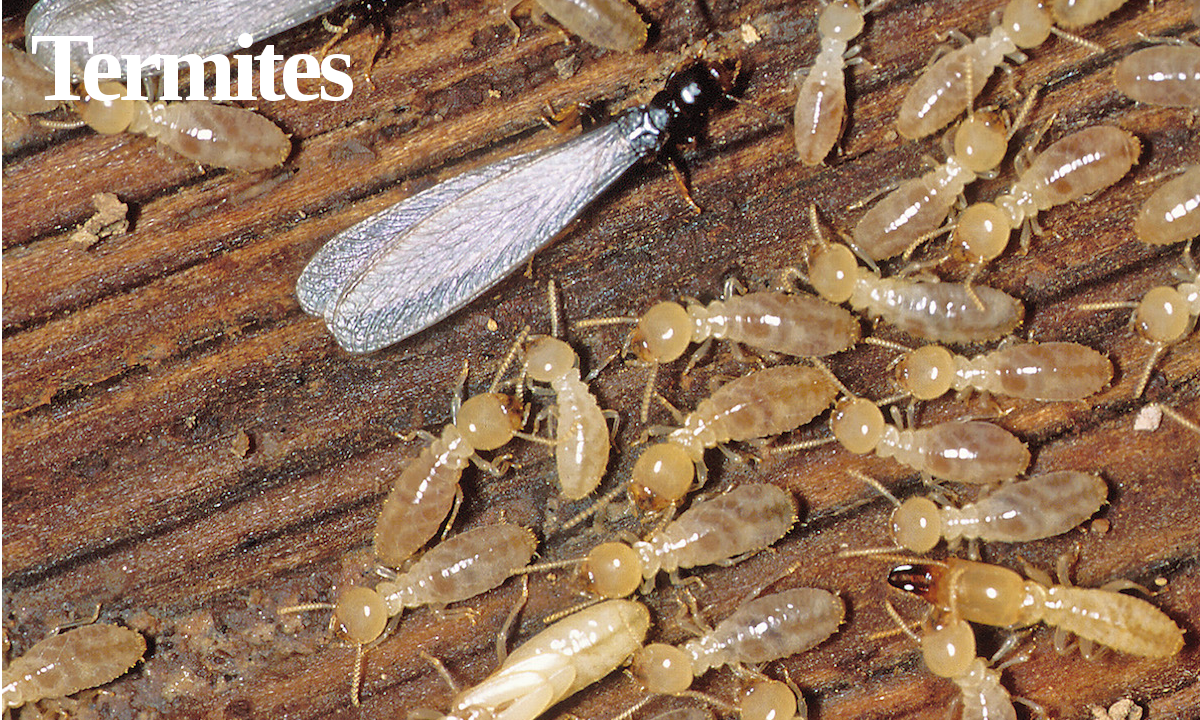
- Subterranean termites Older rural homes plus damp ground near the creek is a termite setup. Inspections cover the main house and every detached structure. Because a colony in a barn or shed will eventually reach the house.
- Rodents Field mice and rats use barns, feed storage and equipment sheds as shelter, then work toward the house. In addition, exclusion at the foundation and roof line plus trapping is what ends it. Also, it is the same job that keeps snakes out.
- Snakes Cypress country and pasture edges bring snakes in around outbuildings and garages. Most are non venomous rat snakes and racers. We remove them by hand during a service and seal the ground level entries that let them in.
- Fire ants Open sandy ground around Palmdale means fire ants spread out fast. Mounds appear along fence lines, driveway edges and pasture gates. Baiting the property on a schedule reaches the colonies, which a spray on the mound does not.
- Wasps and yellow jackets Eaves, barn rafters and equipment shelters are typical nest sites on rural property. Nest removal happens after dark when the whole colony is inside. That is the only safe way to take down an active nest.
Wasps, field mice and the outbuildings
- Wasps and yellow jackets on rural buildings Barn rafters, equipment shelters and house eaves are prime nest sites on a Palmdale property. Also, a full sized yellow jacket colony by late summer can hold thousands of workers. Nests get treated after dark when the whole colony is inside. That is the only safe way to take an active nest down.
- Field mice in feed and tack storage Feed rooms, tack storage and equipment sheds are what draws them, and the dropped grain is what keeps them. Metal containers, swept floors and sealed wall gaps do most of the work. Trapping and exclusion on top of that is what keeps the population out of the house.
- Termites in manufactured home piers and skirting Manufactured homes on piers have a skirted void underneath that stays dark and damp. Also, pier blocking is often untreated wood or loose concrete. We inspect the pier pads and the rim joists. That is where an infestation on this kind of home usually starts.
- Feral hog and wildlife damage Feral hogs root up pasture, flower beds and lawn edges across Glades County. Also, their digging opens ground that rodents and ants move into quickly. We can point out the sign, though hog control itself is a wildlife management job rather than a pest control one.
Yard and pasture edge care in Palmdale
Most Palmdale properties keep a small block of turf around the house and leave the rest in pasture. We keep that yard turf thick on a schedule for sandy ground, treat chinch bugs and mole crickets in the soil and thatch, and handle weeds in the ornamental beds. Open pasture is a different job. Also, we will say so rather than sell a lawn program for land it does not fit.
Palmdale, the creek and rural construction
There is not much street grid to describe, and that is the point. US 27 is the spine, the Fisheating Creek crossing and the old railroad grade mark the settlement, and a handful of county roads lead off into ranch land in every direction. Neighbours here are measured in tens of acres or in fence lines rather than houses. State Road 29 meets the US 27 corridor not far south. This is what puts Palmdale and LaBelle on the same route for us.
Fisheating Creek is the centrepiece of the local landscape and one of the last free flowing creeks in Florida. It runs through cypress swamp and wet prairie, floods seasonally along its whole course, and supports a corridor of wildlife that includes everything from deer to feral hogs. Around it, the land is cattle pasture, citrus and sand pine scrub, with the creek bottom unsuitable for anything but grazing in the dry months.
Buildings out here are utilitarian. In addition, houses range from older frame structures with tin roofs to newer manufactured homes on blocks, and almost every property adds a barn, a pole shed or a shipping container used for storage. Pole barns put posts in the ground, manufactured homes sit on piers with skirting, and both arrangements create the kind of damp voids that termites and rodents look for.
Palmdale, holding by holding
The US 27 crossing itself
A handful of commercial buildings, a store and a fuel stop, with houses set back off the highway. Roaches and rodents in the older structures, and fire ants in the disturbed ground along the road shoulder.
Fisheating Creek and the campground road
Cypress swamp, wet prairie and seasonal flooding. Mosquitoes from the creek bottom, snakes along the banks, and termites in any structure with timber near the damp ground.
The cattle parcels north and east of the crossing
Pasture, fence lines and working pens. Fire ant mounds along fence lines and under gates, and rodents in feed storage, which draws snakes in behind them.
The citrus and row crop blocks to the south
Groves and cultivated ground with equipment yards at the edges. When the rows are worked, rodents move out toward the nearest shed, barn or house.
Manufactured home properties on acreage
Homes on piers with skirting, plus a barn or shipping container for storage. Termites in the pier blocking and rim joists, rodents in the skirting void, and wasps under the eaves by late summer.
State Road 29 toward the south end
A scattering of houses, small farms and open scrub. Ticks in the brush, snakes along the fences, and the kind of fire ant pressure that only whole property baiting holds down.
Creek bottom, pine flatwoods and the highway
Palmdale sits on Fisheating Creek, and that creek is unusual for South Florida because it still runs its own course. It is the only free flowing tributary into Lake Okeechobee. It drains a broad cypress swamp. Also, it floods its bottom land most years. This leaves wide strips of standing water, drowned vegetation and mud on either side of the channel. Mosquitoes produced in that flood plain do not respect property lines. A house near the creek will see them from spring into autumn regardless of what is happening on the lot itself. Away from the creek the ground is sand and flatwoods that drain almost instantly. So lawns here dry out between rains, and the pest pressure shifts to whatever lives in the palmetto and pine around the house.
Also, the land use around Palmdale is ranch, grove and timber. In addition, cattle pasture, citrus and the caladium fields that the Lake Placid area is known for sit alongside pine flatwoods managed with periodic controlled burning. Burning and mowing both push rodents, snakes and insects out of the brush and toward the nearest roof. Abandoned hunting camps and seasonal homes give them an empty structure to move into. On a working property the pest list starts outdoors: flies and roaches around any feed or livestock building, rodents in equipment sheds and grain storage, fire ants along the fence lines and in the pastures, and termites in any outbuilding where wood meets the soil. Rural mailboxes, pump houses and well sheds are all part of the inspection on a property like this.
The highway, the landmarks and the routes
Also, the highway and the landmarks say where you are. In addition, US 27 runs straight through Palmdale. Meanwhile, the highway makes the community a stop on the route between Lake Placid and Moore Haven. Fuel, food and equipment traffic moves through it every day. The Fisheating Creek Outpost and campground sit on the north side of the highway. They concentrate campers, canoes, dumpsters and standing water at the creek crossing. Lake Placid and the caladium farms sit a few minutes north. Venus and the Highlands County line are east, Glades County’s seat at Moore Haven is west, and the Brighton Reservation is on the same side of the county. Around all of it, palmettos, cabbage palms, oak hammocks and cypress keep the cover that pests use to move from conservation land to living room.
Creek swamp, flatwoods and what lives in both
Also, Palmdale sits between a flood plain swamp and dry flatwoods, and the plants split the same way. In addition, in the Fisheating Creek bottom, bald cypress and pond cypress stand in the water with water tupelo beside them. The understory is pickerelweed, alligator flag, swamp lily, leather fern and buttonbush. Spanish moss and resurrection fern hang off the cypress, and bromeliads and orchids grow on the trunks. That is why the creek is worth the drive for anyone interested in plants. On the higher ground, slash pine and longleaf pine stand over saw palmetto, gallberry, wiregrass and runner oak. It is a community built for fire. Pasture and hay ground sit in between, and the citrus and caladium fields are a few miles north. Around the houses and hunting camps, the planting is minimal: a shade oak, a cabbage palm, and whatever came up by itself along the fence.
From limpkins to barn owls
Also, the animals are the swamp ones. In addition, alligators are in almost every waterway. River otters work the creek, and limpkins hunt the apple snails that live in it. Wood storks, ibis, herons and egrets feed in the shallows. Swallow tailed kites arrive over the flatwoods in spring to hunt insects on the wing. Wild turkeys and white tailed deer move along the pasture edges. Feral hogs root the flood plain, and bobcats are present even when nobody sees them. Barn owls and bats use the outbuildings and the hunting camp sheds. Their droppings build up in the same dry, undisturbed voids that make good harbourage. Armadillos, opossums and raccoons work the yards at night, and rat snakes and racers follow them. Mosquitoes come off the creek bottom, the stock ponds and any standing water in the pasture.
Palmdale properties we work
Palmdale work runs along US 27 and the county roads around it, plus the properties near Fisheating Creek, the crossroads at State Road 29, and the ranches and parcels between Palmdale and Moore Haven to the south.
Work covers the US 27 corridor through Palmdale, the properties along Fisheating Creek and the Fish Eating Creek campground road, the crossroads at State Road 29, and the cattle and citrus parcels between Palmdale and Moore Haven to the south. LaBelle and Clewiston are on the same run.
Every Palmdale property gets a free inspection first, then one of six services takes on the work:
The Palmdale year at the creek
Palmdale’s pressure follows water and cattle. From June through October the wet season keeps the creek high, the low ground flooded and mosquito production steady. Fire ants mound strongest in spring and after any flooding. Rodent movement into barns and houses peaks in late fall and winter when field cover is gone, and snakes work the same edges from March through October. This is when most of the removal calls come in.
The crossroads at the creek
Palmdale is Glades County’s crossroads on US 27, where the highway meets the old ranch country between the Caloosahatchee’s headwaters and the Fisheating Creek swamp to the west. Fisheating Creek’s wildlife management area runs for miles through cypress sloughs and longleaf flatwoods that drain slowly after summer rain. Their wildlife does not read fence lines: raccoons, opossums, armadillos and the occasional displaced black bear use the creek corridor straight through the ranchettes’ back acres. The town’s few streets sit among cattle ranches and orange groves, and the housing is ranchettes and mobile homes on fenced acreage. So treatments here work around horses, goats, poultry and the free range dogs that patrol most yards. The scrub sand drains so fast that wells run deep here. The dry natural lots push fire ants toward the irrigated dooryards and the shade of the live oaks.
Palmdale property owners on our service
-
Have had this company since moving to Florida in 2015. They are always professional, knowledgeable and on time. They always respond in a timely manner and are in… read more

Michelle Gardner
November 8, 2023Reasoable price, Reliable honest Service.
J R
July 27, 2023Super profesional
Aracely Hernàndez
July 26, 2023 -
When we bought our house in March, we were struck with the shock that it was infested with roaches. We deep cleaned and set up bombs to no avail. We… read more
Tabitha Ashley
December 30, 2022Excelente y muy profesional
Susana Bravo
October 24, 2022Best in Naples! Have been using Nacho and his team for a little over a year- great experience. We recently had a pool built and did not want a cage, Nacho… read more
Michael Spinosa
September 16, 2022 -
Very nice people and they show up when they say they will. Also did an excellent job on the problem we were having with ants. I would highly recommend them.
Larry Epperson
August 29, 2021I have very good experience with Your Days Without peasts. Ignacio spends time to explain the lawn treatment he plans to do. The servicemen are knowledgeable and dependable. They really… read more
Elaine Chambers
July 2, 2019Friendly, efficient, knowledgeable with reasonable prices. Responds quickly. Great customer service!
Jody Miller
June 17, 2019 -
The service was excellent and professional Would definitely recommend to anyone wanting to be pest free
Sharon Vargo
June 1, 2019Great service. They take the time to listen, they respond quickly, and they take care of special requests
Murray Schechter
April 21, 2019
Rural property questions from Palmdale owners
Palmdale questions about rural pest control
Do you charge extra for outbuildings on a Palmdale property?
The free inspection covers the house and the outbuildings so we can see the whole picture. Also, the quote reflects what actually needs treating. If a barn or shed has an active colony, it gets written into the plan rather than discovered later and billed as a surprise.
What can we do about rodents in a feed room?
Also, feed storage is the strongest draw on a rural property. As a result, the first step is sealing grain in metal containers and keeping the floor swept. Trapping plus exclusion at the walls and door edges ends the cycle. Poison is a poor fit where animals and children have access.
Is there anything you will not treat out here?
Also, we do not put down poison for snakes and we do not treat protected wetland. If a snake turns out to be a species that needs a licensed wildlife trapper, we will tell you that rather than improvise. Everything on the house, the outbuildings and the yard around them is fair game.
How far out do you travel from Palmdale?
Palmdale is on the same route as LaBelle, Moore Haven and Clewiston, so the surrounding county roads are covered. Tell us the address when you call and we will confirm the visit slot and the response window honestly.
We are on acreage near the creek. How do you decide what to treat?
Also, we treat the structures and the ground immediately around them: the house, the barn, the sheds, the paddock gates and the fence lines your animals and family use. The creek bottom and the wetland are left alone. Also, we will tell you plainly when a request falls outside what a licensed pest operator should do.
What can we do about snakes getting into the barn?
Close the rodent openings, because snakes follow the food. That means sealing the base of the walls, the door gaps and any opening wider than a pencil. We remove snakes by hand when we find them during a visit. Also, we do not lay poison for them anywhere on a property with animals.
Free inspection for Palmdale properties
Call with the address and what you are seeing. Also, we will inspect the house and the outbuildings together, then put the price in writing before any work starts.
Palmdale and the areas we serve from here
Palmdale crews also cover Moore Haven and the Glades County farmland nearby, the Fisheating Creek corridor, LaBelle and Fort Denaud to the west, Clewiston to the southeast, and Lake Placid to the north.