Pest Control in Immokalee, Florida
Pest Control in Immokalee, FL
An inland farm town where the pest calendar follows the growing season, not the beach season. Lake Trafford and the fields set the pressure.
- Immokalee and central Collier
- Free inspections
- Licensed and insured
Inland heat, sandy soil and a working agricultural calendar
Immokalee is the inland half of Collier County, a farm town built on tomatoes, citrus and vegetables. It sits far enough from the Gulf that afternoon sea breezes rarely reach it, so summer heat and humidity settle in and stay. Lake Trafford, southwest of town, is the other piece: shallow water that stays warm and produces insects steadily.
The housing stock reflects the town’s history. Older wood frame houses with raised floors sit near newer concrete block construction, and both are surrounded by field edges and groves. When crops are worked, irrigated or harvested, insects and rodents move toward the nearest shelter, which is usually a house.
Immokalee sits on a raised plain of sandy soil in the middle of Collier County. Also, the heat that builds there through summer is the first thing anyone notices. The town is laid out around Main Street and the old rail corridor, with packing houses, produce markets and farm service businesses clustered close to the center and housing spreading out in modest blocks from there.
Lake Trafford, five miles southwest of town, is the largest natural lake in the county and stays shallow and warm. This makes it a steady insect producer. Around it sit the vegetable fields, citrus blocks and pastures that employ most of the town. Because the land is flat and the water table shallow, irrigation and rain both move slowly off the fields. Also, the field edges stay green well into the dry months.
What we treat in Immokalee
- Subterranean termites Sandy soil around Immokalee is easy for termites to tunnel through. Also, older frame houses with wood close to grade give them an entry point. Also, we probe foundation walls, porch steps and any sill plate that sits near the dirt.
- Fire ants Field margins and yards both hold fire ant mounds, and they push up fast after irrigation or rain. Broadcast bait treats the colony underground. Also, that is the only way to stop a mound from reappearing a few feet away.
- Rodents Harvest season pushes rats and mice out of crops and into barns, sheds and houses. Trapping and exclusion done together ends it. Because a trapped rodent with the entry still open just means another one arrives.
- Snakes Rodents and field edges bring snakes into garages and around equipment. Also, we remove what we find by hand during a service and seal the openings at ground level that let them in.
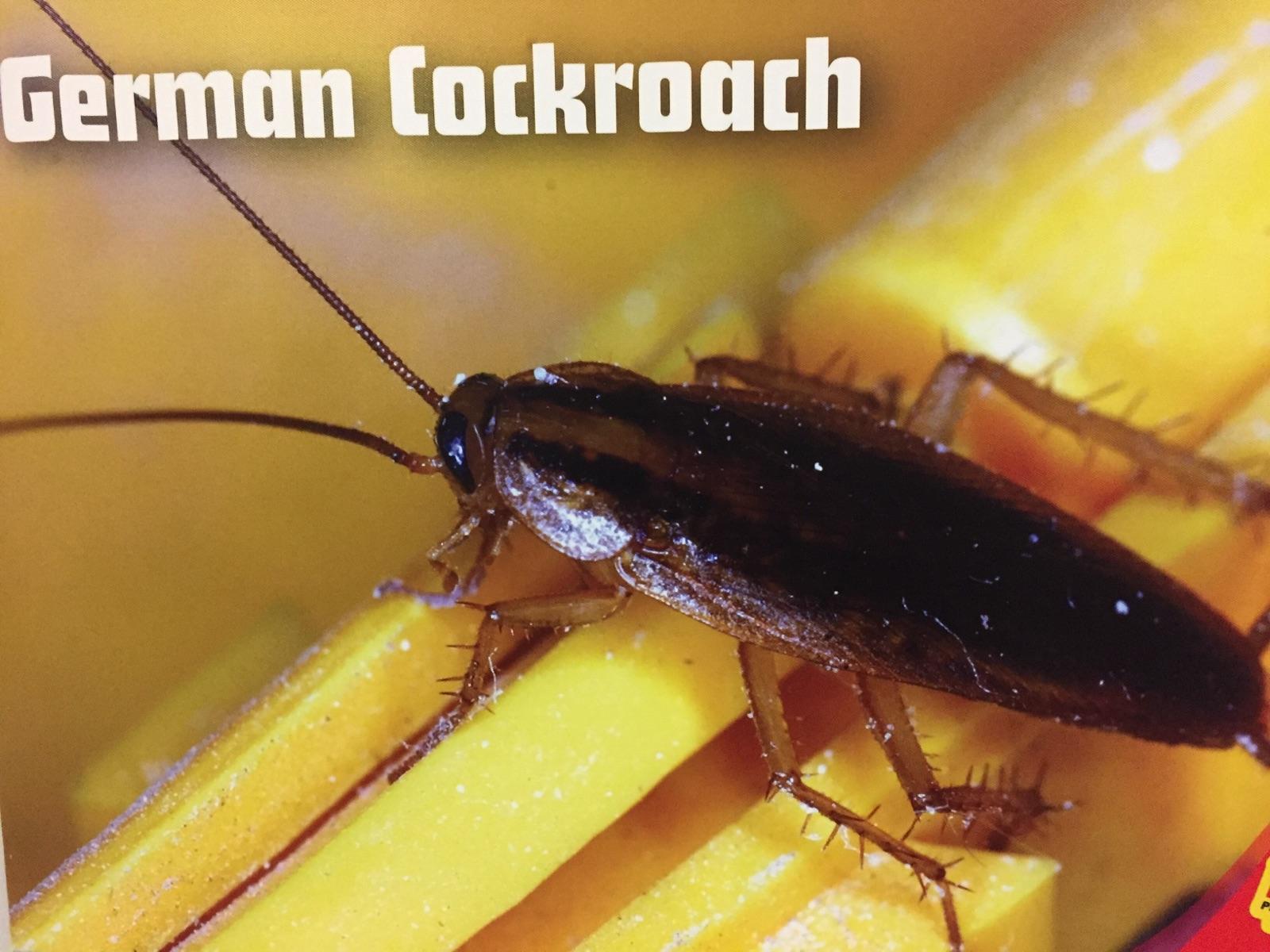
- Roaches German roaches work through kitchens in denser housing, and American roaches come in from the mulch and debris outside. Also, baiting plus sanitation advice handles the first, and the exterior barrier handles the second.
Roaches, packing houses and the market blocks
- Cockroaches in packing and market buildings Commercial kitchens, produce markets and packing lines in Immokalee need scheduled work rather than reactive calls. We set monitoring stations, bait the harborage behind equipment and document every visit so the record stands up during a health inspection.
- Fire ants on field edges Mounds along field margins, driveways and equipment yards rebuild quickly after irrigation or rain. Also, broadcast baiting the property on a routine reaches the colonies underground. That is the only way to stop mounds reappearing a few metres from where they were treated.
- Drain flies in older plumbing Sludge builds in the floor drains and slow sinks of older Immokalee homes, and drain flies breed in it. Also, cleaning and treating the drains is the only fix that lasts; fogging the bathroom only kills the adults already out.
- Rodents in packing sheds and markets Produce buildings have water, food scraps and constant deliveries, which brings rodents in through dock doors. Also, exterior trapping, door sweeps and monitoring boards keep a commercial account in compliance.
Lawn and landscape programs for Immokalee yards
Immokalee lawns run on sandy soil and irrigation from the local canal system, and they grow hard in summer. We time pre-emergent weed control before the wet season, feed on a schedule matched to that soil, and treat chinch bugs and mole crickets in the soil rather than spraying the whole yard. Ornamental trees and fruit plantings get targeted pest control so the good insects survive.
Immokalee streets and the farmland around them
Also, Immokalee’s layout is a crossroads town expanded outward. Main Street holds the older commercial buildings and the produce markets, State Road 29 runs north toward LaBelle and south toward the Everglades, County Road 846 heads east toward the farms, and Lake Trafford Road leads southwest to the lake. Immokalee Regional Airport and the industrial blocks around it sit at the edge of the residential streets. Also, the Seminole reservation is a short drive south.
Also, the farmland that surrounds the town is the reason people are here, and it changes through the year. Tomato, pepper, cucumber and citrus production means land being worked, irrigated and harvested almost continuously from the fall through the spring. Each of those operations moves soil, water and rodents. Field edges, ditches and equipment yards are where the movement starts. Also, the nearest house, shed or packing building is where it ends.
Housing in Immokalee splits sharply. Older wood frame homes with raised floors stand on blocks along the original streets, many with add-on rooms and screened porches. Newer concrete block houses sit on slabs further out. The raised floor homes take termite, rodent and crawl space roach pressure. The slab homes take ant, mole cricket and drain fly problems. Almost every yard is sandy and irrigated, and almost every lot has some kind of outbuilding.
Immokalee, quarter by quarter
Main Street and the produce market blocks
Commercial kitchens, walk in coolers and constant deliveries. Roaches in the drain lines, rodents behind the docks, and the paperwork that a health inspection will ask for.
The original residential streets near downtown
Older frame houses on raised floors, many with add on rooms and screened porches. Termites in the underfloor framing, roaches in the crawl space, and drain flies in the older bathroom plumbing.
Lake Trafford Road and the lake neighborhoods
Small homes and fish camps close to shallow water. Mosquito pressure is the highest in town here. Also, the damp ground keeps termites and ants working at the foundation line all year.
State Road 29 and the industrial blocks
Equipment yards, packing sheds and worker housing. Rodents in the storage buildings, fire ants in the sandy lots, and roaches in the shared kitchens of the denser housing.
County Road 846 and the eastern farm edges
Fields, ditches and equipment yards hard against the last houses. Rodent movement follows the crop calendar, and snakes follow the rodents into sheds and garages.
The airport and southern edge
Warehouses, open ground and scattered housing. Fire ants in the open sandy areas, rodents in the warehouses, and mosquitoes wherever the drainage ditches hold water after rain.
Lake water, produce ground and the town that works them
Immokalee is inland Collier County, and the water there is mostly lake and ditch rather than beach. Lake Trafford is the largest natural lake in the county. It is shallow, it warms fast, and it keeps the mosquito season running weeks longer than the coast. Lake Trafford is the largest natural lake in the county, it is shallow, it warms quickly and it holds enough nutrients that algae blooms and dense shoreline vegetation are a yearly event.
Marsh edge and shallow water like that produce mosquitoes in a way that a moving canal never does. Also, the effect reaches well past the shoreline streets. Around the fields the water is held in reservoirs, irrigation ditches and drainage canals that run on the farm schedule. As a result, there is standing water in the middle of the dry season wherever vegetables are being grown. On the residential side, a high water table under the flat town lots keeps the soil under slabs damp enough for termites.
The housing the produce town built
The town grew up around the produce business, and the housing shows it. Older single family blocks sit mixed with mobile homes and farmworker housing. As a result, the pest pressure comes from older building stock, shared walls and the constant turning of rental occupancy. Close to the commercial blocks there are older frame houses and duplexes built for field and packing house workers, close together, with plumbing chases and crawl spaces that ant and roach colonies move through freely.
Also, some blocks hold seasonal labour housing and small rentals. That means turnover, and turnover means bed bug introductions arrive with luggage rather than with a leak. Behind those blocks sit packing houses, equipment yards and refrigerated sheds. Cold storage and produce buildings hold pallets, cardboard and produce waste. This is a standing food source. Also, the trucks that move between them and the fields are how field rodents get a lift into town.
The landmarks that organise the routes
Landmarks here are practical ones. The Immokalee Pioneer Museum at Roberts Ranch sits on the edge of town, the Seminole casino draws traffic on the east side. Also, the produce houses and packing sheds around the main drag run year round. The Immokalee Pioneer Museum at Roberts Ranch keeps working ranch buildings and grove land a few minutes from the commercial centre. At the same time, the Seminole Immokalee Reservation and its casino anchor the northern side and bring traffic, lighting and waste handling to ground that was pasture.
Immokalee Regional Airport and the industrial pads around it hold metal buildings and equipment yards where rodents live behind stored material. State Road 29 runs north to LaBelle and south toward the Everglades, County Road 846, the Immokalee Road, runs west to Naples, and Ave Maria sits a few minutes north. As a result, the whole town is a crossroads for farm equipment, produce trucks and seasonal workers. This is exactly how pests spread between properties.
Crop ground, lake plants and the animals around Immokalee
In town: the yards and the fruit trees
Fruit trees and the rodent feeder problem
Also, Immokalee is a farm town. Also, the plant list starts with the crops: tomatoes, bell peppers, cucumbers, squash, watermelons, sweet corn and citrus run in blocks to the horizon. The ornamental plantings in town are ficus, ixora and palms along the school and church grounds. Between the fields are drainage ditches and farm reservoirs. Also, those hold cattail, pickerelweed and water hyacinth through the growing season. On the shore of Lake Trafford, the largest natural lake in Collier County, the margin is bulrush, cattail and hydrilla below the surface, with cabbage palm and live oak on the higher ground and cypress in the wetter pockets. In town, the yards are plain and practical: cabbage palm, hibiscus, oleander, ligustrum and croton, with a citrus or mango tree for shade. Fruit trees get picked slowly, and a tree with fruit left on it is a rodent feeder all season.
From sandhill cranes to cane toads
Also, the animals are the ones that live with agriculture. Sandhill cranes feed on mowed turf near the schools, roseate spoonbills turn up on Lake Trafford, and coyotes work the grove edges. Rats follow the packing houses and the canal banks, opossums dig through the older neighborhoods, and snakes follow the cane rats in the sugar cane and melon fields. Sandhill cranes, ibis, egrets and herons work the ditches and the crop edges, and Lake Trafford is a birding stop for ospreys, anhingas and wintering waterfowl, with alligators in the shallows and along the boat ramp.
Also, wild turkeys and white tailed deer move along the field borders, and feral hogs root up the drainage banks. Coyotes and bobcats hunt the edges at night, raccoons and opossums work the sheds and the bins, and armadillos dig in the yards. Barn owls and bats live in the packing houses and equipment sheds. Rat snakes and racers follow the rodents in, and cane toads come out in numbers after rain. Lovebugs swarm across the fields in May and September, and mosquitoes breed in the farm reservoirs, the ditches and any standing water around the buildings.
Immokalee streets and areas we work
Crews cover the streets around Lake Trafford Road, State Road 29, County Road 846 and Immokalee Regional Airport, plus the residential blocks off Main Street and the edges of town where housing meets groves and fields.
Crews cover the streets off Main Street and Lake Trafford Road, State Road 29 and County Road 846, the blocks around Immokalee Regional Airport. Also, the residential edges of town where the last house meets a grove or a field. Packing house and market accounts sit on the same routes as residential work.
Immokalee accounts begin with a free inspection, then the right one of six services does the work:
Immokalee’s farm calendar and your house
Also, Immokalee’s pest calendar is the farm calendar. Field preparation and planting in late summer and fall move rodents out of cover. Row crop harvest from November through spring pushes more of them toward buildings. Termite swarmers fly with the first heavy rain in late spring, and fire ant mounds build fastest after irrigation or a storm. From June through September the heat keeps most work indoors. This is also when German roach and ant complaints inside homes peak.
Harvest town at the lake shore
Immokalee is inland Collier County’s farm town, and its calendar follows the harvest. LaBelle and Ave Maria sit on either side of it, Lake Trafford keeps the mosquitoes steady through the summer. Also, the farmworker rental housing turns over fast enough that roach and bed bug work rides the rent calendar rather than the tourist calendar. Lake Trafford is the largest lake in south Florida after Okeechobee. Also, its marshy shoreline produces the midges and mosquitoes that ride the evening wind into the streets on the town’s north side.
The town lots and their fruit trees
The name and the reservation
Housing here is modest block and frame homes on sandy lots, many with mango and citrus trees, chicken coops and equipment sheds that give roof rats and mice their own food cycle through the winter harvest. The name Immokalee comes from the Mikasuki word for home. Also, the Seminole Tribe’s Big Cypress reservation sits just southeast of town, a reminder that the glades country around it is the older resident here.
Immokalee customers on our work
-
Have had this company since moving to Florida in 2015. They are always professional, knowledgeable and on time. They always respond in a timely manner and are in… read more

Michelle Gardner
November 8, 2023Reasoable price, Reliable honest Service.
J R
July 27, 2023Super profesional
Aracely Hernàndez
July 26, 2023 -
When we bought our house in March, we were struck with the shock that it was infested with roaches. We deep cleaned and set up bombs to no avail. We… read more
Tabitha Ashley
December 30, 2022Excelente y muy profesional
Susana Bravo
October 24, 2022Best in Naples! Have been using Nacho and his team for a little over a year- great experience. We recently had a pool built and did not want a cage, Nacho… read more
Michael Spinosa
September 16, 2022 -
Very nice people and they show up when they say they will. Also did an excellent job on the problem we were having with ants. I would highly recommend them.
Larry Epperson
August 29, 2021I have very good experience with Your Days Without peasts. Ignacio spends time to explain the lawn treatment he plans to do. The servicemen are knowledgeable and dependable. They really… read more
Elaine Chambers
July 2, 2019Friendly, efficient, knowledgeable with reasonable prices. Responds quickly. Great customer service!
Jody Miller
June 17, 2019 -
The service was excellent and professional Would definitely recommend to anyone wanting to be pest free
Sharon Vargo
June 1, 2019Great service. They take the time to listen, they respond quickly, and they take care of special requests
Murray Schechter
April 21, 2019
Immokalee questions about farm country
Answers to Immokalee pest control questions
When does rodent activity peak around Immokalee?
It tracks the growing season. When fields are worked or harvested, rats and mice move out of cover and look for the nearest structure. That is usually a garage, shed or house. Trapping plus exclusion at the same time is what stops it repeating next season.
Our house is older and sits on a raised floor. Where do termites get in?
Also, post bases, sill plates and any wood within a few inches of the soil are the usual entries in a raised floor home. Sandy Immokalee soil drains quickly, which helps, but it also means colonies tunnel easily. Inspection focuses on the foundation and the underside of the floor framing.
Lake Trafford is close by. Do we get more mosquitoes because of it?
Shallow, warm water produces insects steadily through the season, so yes, homes on that side of town see more. In addition, the work is larvicide in the water you control on your own lot. Plus, barrier treatment on the shaded vegetation where adults rest.
Can you service a commercial kitchen in Immokalee?
Yes. In addition, agricultural towns run on packing houses, markets and restaurants, and those accounts need scheduled service with written records for inspections. We monitor stations on a set interval and keep the paperwork available to your staff.
Do you serve farms and packing operations, or only homes?
Both. In addition, farm service buildings, produce markets and packing houses get scheduled monitoring with written records. Also, homes get the same inspection first approach as the rest of our area. If a request is outside what a licensed pest control operator should do, we will say so.
The heat here is relentless. Does that change the treatment schedule?
It changes the timing more than the product. Applications in July and August go out early in the morning or late in the day so they land on the surfaces correctly. Also, the follow up interval stays tighter in the hot months because products break down faster in this kind of heat.
Book a free inspection in Immokalee
We will look at the house, the yard and any outbuilding, then quote the work in writing. Free inspection and no obligation to schedule the treatment that day.
Immokalee and the communities we serve from here
Immokalee crews also serve Ave Maria and the eastern Collier County farmland, Golden Gate Estates and Naples to the west, LaBelle and Felda to the north. Also, the Seminole reservation and Lake Trafford communities nearby.